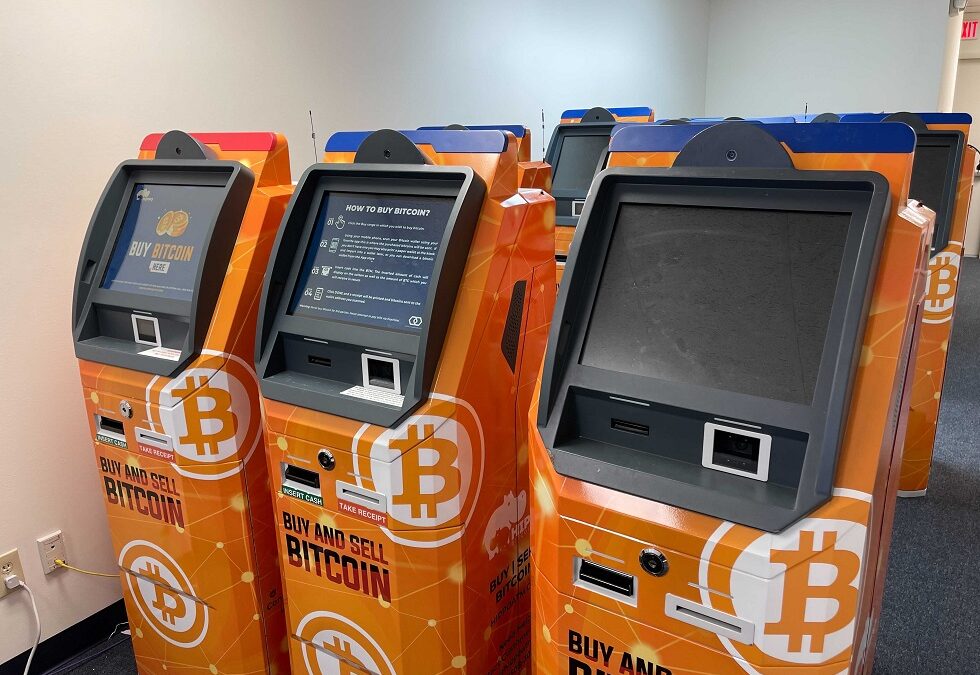

Starting an ATM business offers a path to recurring revenue with relatively low ongoing management, once you have the right locations and partnerships. The model is straightforward: place machines where there is steady foot traffic, keep them stocked with cash, and collect fees and interchange over time. Before you dive in, take a careful look at costs, compliance, and ongoing maintenance. For a detailed overview, check out how to start an atm business.
Step 1: Research the Market
Effective market research helps you identify promising territories and avoid saturated areas. Start by analyzing traffic patterns near gas stations, convenience stores, pharmacies, gyms, malls, and large office complexes. Consider demographics, average transaction sizes, and existing ATM density. Will customers pay a surcharge, or will you rely on sponsorship from a merchant? Understanding these factors helps you estimate long‑term profitability and avoid costly missteps.
Step 2: Plan Your Finances and Licensing
Initial costs vary based on the number and type of machines you purchase or lease. A single modern ATM can range from a few thousand dollars to over ten thousand when you include installation, software, and security features. Don’t forget ongoing costs: processing fees, cash replenishment, insurance, and maintenance. In many jurisdictions, you’ll need a business license and possibly a money services license or vendor registration, along with strict recordkeeping for cash handling. Build a conservative cash flow model that covers down times and seasonal fluctuations.
Step 3: Choose Machines and Cash Management Solutions
Selecting reliable machines is essential for uptime and customer trust. Look for devices with remote monitoring, failover capabilities, and robust anti‑skimming systems. Pair each machine with a secure, tamper‑evident cash cassette and a dependable replenishment schedule. A strong cash management plan minimizes service calls and ensures operators can respond quickly to cash shortages or malfunctions. Consider automation tools that alert you when cash levels drop or a decline in transactions occurs.
Step 4: Partner with Locations and Card Processing
Develop a streamlined pitch for location partners. Emphasize added customer convenience, potential increased foot traffic, and a share of surcharge revenue. When selecting locations, prioritize visibility, accessibility, lighting, and security. You will also need an ATM processor or sponsor to handle transaction processing, settlement, and compliance. Establish clear terms about surcharges, cash handling, and responsibility for maintenance. A solid relationship with merchants makes the ongoing operation smoother and more scalable.
Step 5: Compliance, Security, and Customer Support
Security is non‑negotiable in the ATM space. Install cameras where allowed, maintain tamper‑evident seals, and implement strong access controls for service staff. Follow PCI DSS guidelines for software handling and protect customer data. Have a clear incident response plan for cash outages, card skimming attempts, or machine vandalism. Providing reliable customer support and timely repairs helps retain merchant partners and preserves consumer trust in your network.
Step 6: Launch and Scale
Begin with a small, well‑chosen pilot—one or two machines in a high‑traffic location—to validate your assumptions. Monitor key metrics such as transaction volume, average cash withdrawal, surcharge revenue, and downtime. Use the data to optimize location mix, replenishment schedules, and service routes. As you gain confidence, expand to additional sites and consider diversifying by machine type or service tier. A scalable model rests on strong supplier relationships, solid route planning, and disciplined cost control.
Why This Path Is Worth Exploring
An ATM business offers passive income potential with the right balance of location strategy, maintenance, and compliance. While there are upfront costs and regulatory considerations, disciplined execution can yield steady cash flow and long‑term growth. If you’re curious about more specifics or want to dive deeper, remember you can explore relevant guidance at how to start an atm business and connect with resources that cover financing, equipment, and partnerships.
For ongoing tips and resources, visit the Bussinify homepage to explore related business opportunities and best practices.