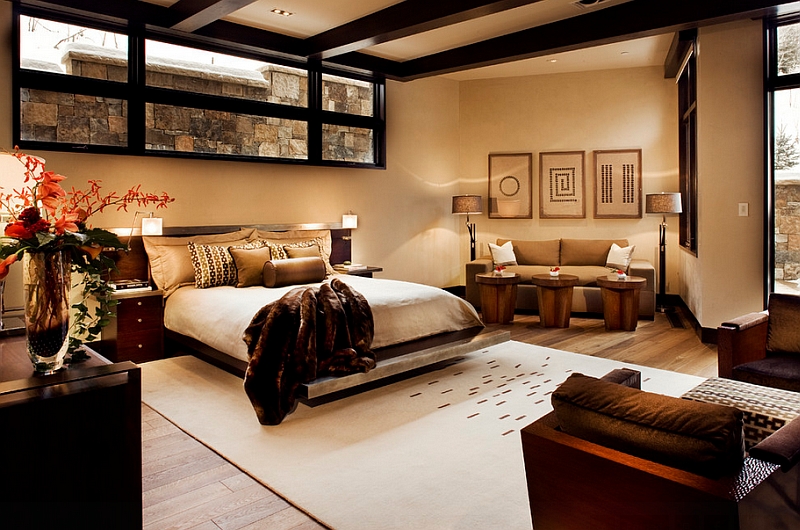

A well-planned basement bedroom can become a favorite retreat in your home, offering quiet privacy and an extra living space that doesn’t compete with your main floors. With careful choices in layout, lighting, and finishes, a below-ground area can feel warm, inviting, and surprisingly roomy. For readers seeking a detailed guide, consider this resource on basement bedroom design concepts to start your planning on the right foot.
Maximize the Space with Smart Layouts
Efficient layouts help you breathe life into a compact area. Start by placing the bed away from windows to reduce cold drafts and maximize wall space for storage or a desk. Built-in wardrobes, under-bed drawers, and tall bookcases can reclaim floor area while keeping the room uncluttered. If the ceiling is higher on one side, consider a half-wall partition to create a cozy sleeping nook without boxing in the space. Flexible furniture, such as a murphy bed or a fold-out sofa, can transform the basement into a guest room, home office, or yoga studio when needed. These layout choices support a basement bedroom that feels functional and spacious rather than cramped.
Lighting and Color Palettes That Elevate the Mood
Basement lighting is crucial to avoid a dreary vibe. Combine layered lighting: recessed ceiling lights for general illumination, wall sconces for ambient glow, and task lighting at a desk or vanity. Use warm-to-neutral tones on walls and ceilings to reflect light without washing out depth. Light-colored flooring with soft textures can brighten the room, while a few darker accents—like cushions or a rug—add visual interest. If the space has small or no exterior windows, simulate daylight with daylight-mimicking bulbs and full-spectrum fixtures. Thoughtful lighting makes a basement bedroom feel welcoming at any hour.
Durability, Comfort, and Moisture Control
Moisture management is essential in below-ground spaces. Start with a reliable vapor barrier and proper insulation to prevent dampness and chilly drafts. A quality dehumidifier helps maintain a comfortable humidity level, especially in humid climates. For flooring, choose moisture-resistant options such as vinyl plank, porcelain tile, or moisture-rated laminate; add a plush area rug for warmth. If you plan to add a bathroom, ensure proper drainage and ventilation. A well-sealed environment supports not only comfort but also the longevity of furnishings and finishes in your basement bedroom.
Finishing Touches for a Personal Retreat
Decor should reflect your style while enhancing acoustics and warmth. Consider soft textures, layered textiles, and blackout window treatments if there are egress windows or smaller windows. Mirrors can amplify light, and a few plants bring life to the space without overwhelming it. Art and personal photos create a sense of hominess, while multifunctional furniture—like a storage ottoman or an astride desk—keeps things tidy. A cohesive color scheme—think warm neutrals with contrasting textures—transforms a basement into a true retreat rather than a generic box.
Plan, Budget, and Code Considerations
Before you start construction, check local codes regarding egress requirements, ceiling heights, and ventilation. Adequate egress windows or doors are not only a safety feature but also a design cue that makes a basement bedroom feel like a real bedroom rather than a basement corner. Create a realistic budget that accounts for waterproofing, insulation upgrades, lighting, and furniture. A phased approach—focusing first on essential comforts, then on ambiance—helps you achieve the best results within your means. With careful planning, you can enjoy a basement bedroom that blends practicality with style.
For more inspiration and ideas, visit the Homlyst homepage to explore additional resources and design recommendations.