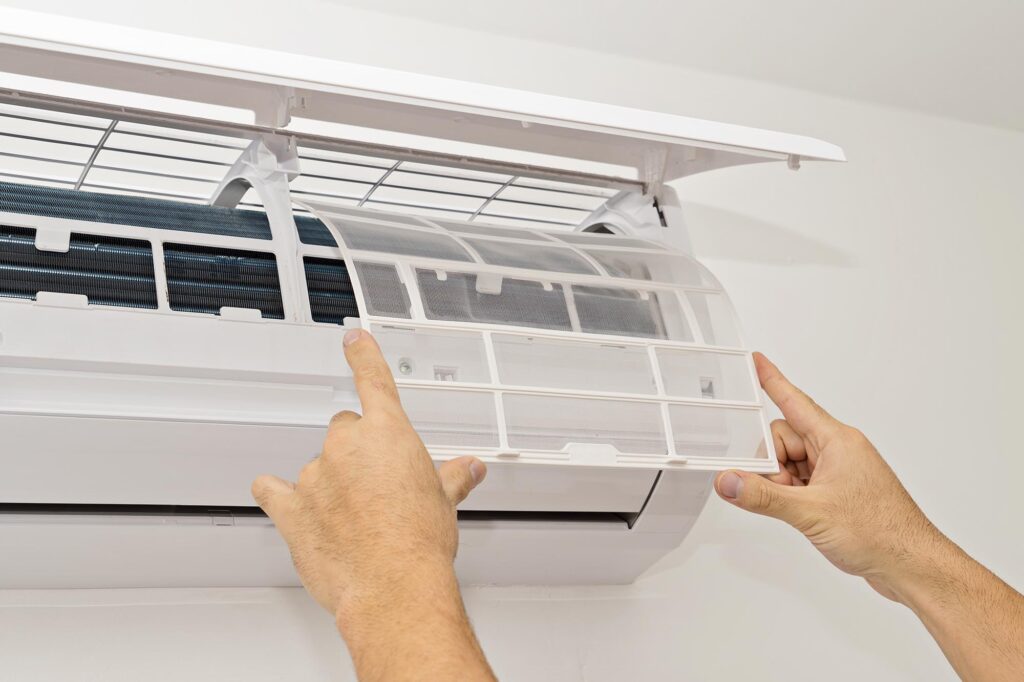

Air conditioning helps keep homes comfortable, but not every cooling system stays clean over time. Mold growth in or around air conditioners is a surprisingly common issue that can affect indoor air quality and health. If you notice a musty odor when you switch on the unit, see black specks on hoses or vents, or experience persistent allergy symptoms, you may be dealing with a mold problem. Understanding how mold forms in cooling systems and what you can do about it will protect your family and extend the life of your equipment. Addressing mold issues early saves money on repairs and reduces health risks.
How does mold appear in cooling systems? In many homes, mold air conditioners emerge when moisture lingers on coils, creating a perfect environment for mold to colonize. Condensation on evaporator coils, damp drain pans, and clogged condensate lines provide steady moisture. When the filter is dirty or bypassed, dust and organic matter feed mold growth. Poor air circulation and high humidity further encourage colonies to develop behind panels, in ducts, or along the drip tray. Even-year-old units can host spores if routine cleaning is skipped. Because mold spores are lightweight, they can travel through the blower and circulate in living spaces, triggering symptoms for sensitive individuals. Regular inspection helps you catch problems before they spread.
Health and home risks go beyond a musty smell. Exposure to mold spores can irritate the eyes, nose, and throat, and may worsen asthma or allergies in both children and adults. People with compromised immune systems or chronic lung conditions can experience more significant symptoms, including sinus pressure, coughing, or headaches. While a single cleaning can reduce surface mold, spores that have settled into ducts or inside the coil housing may require professional remediation to ensure the system is truly safe to reuse. Maintaining a dry, clean environment around the unit is the best defense against ongoing mold issues.
Preventing mold in your cooling system starts with smart maintenance. Replace or clean filters regularly so dust and organic debris don’t accumulate to feed mold. Schedule annual or biannual inspections that include coil cleaning, drain pan inspection, and condensate line clearing. Keep humidity levels low in the home using a dehumidifier when necessary, especially in damp climates. When you notice standing water, persistent moisture, or a lingering musty odor, turn off the unit and investigate the drainage path before restarting. Simple precautions—like ensuring proper ventilation and sealing around the condensate line—can make a big difference over time. If you prefer professional help, a licensed HVAC technician can perform a thorough cleaning with appropriate antimicrobial treatments and verify there are no leaks in the system.
If you want to explore more about this topic or find approved products and services, you can read deeper guides and reviews at GetGoodRead. For more practical home maintenance tips, visit GetGoodRead.