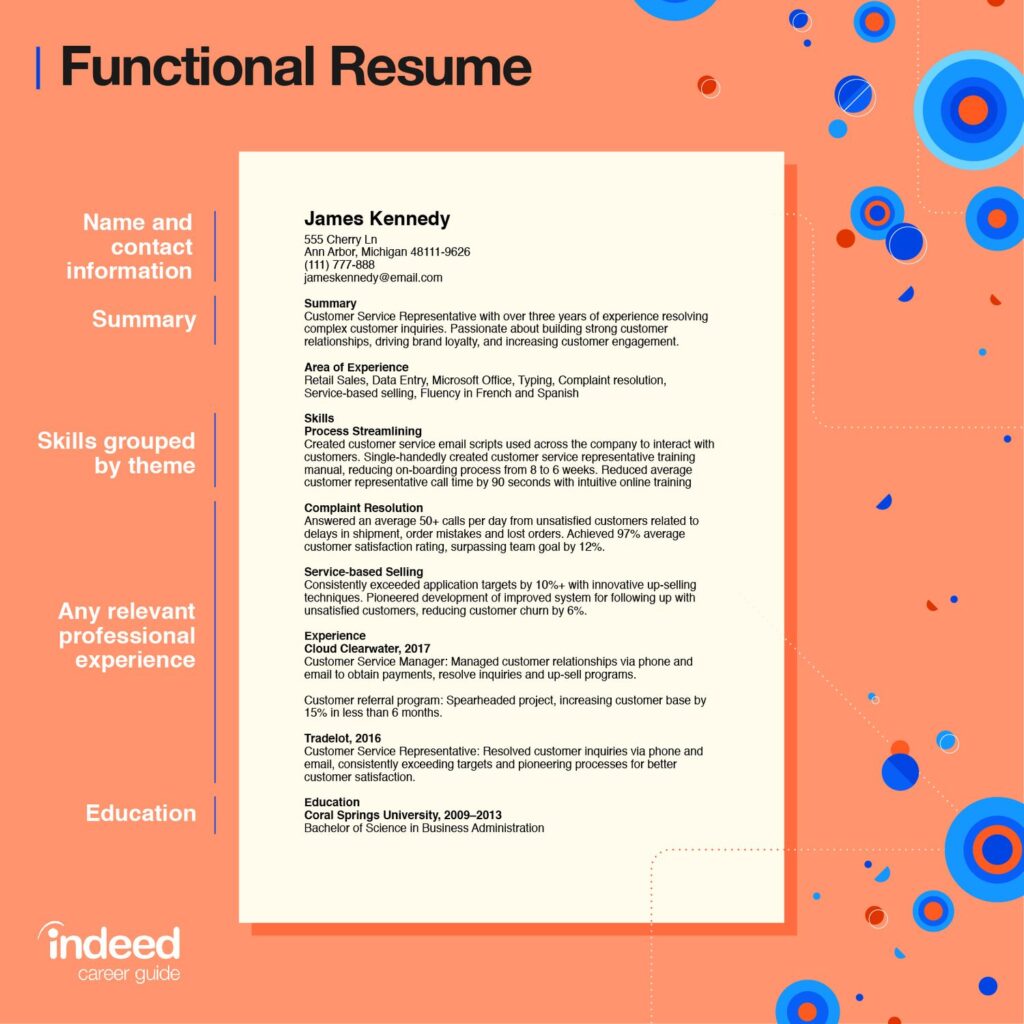

If you’re starting your career journey, understanding how to make a resume for first job is a crucial first step. This guide offers a clear, actionable path to a compelling entry-level resume that can help you land interviews even if you’re light on professional experience.
Crafting a resume when you’re new to the workforce is less about listing every job you’ve held and more about highlighting the strengths you bring to the table. The goal is to demonstrate readiness, reliability, and a genuine interest in the role you’re pursuing.
Start with a clean, goal-focused structure
Begin with a straightforward layout that a hiring manager can skim in 30 seconds. Use a single page, a readable font (like Arial, Calibri, or Roboto) in 10–12 point size, and consistent margins. Place your name and contact information at the top, followed by either a short summary or objective that aligns with the job description. Include links to a portfolio or LinkedIn if you have them, and skip photos unless explicitly requested.
Highlight transferable skills and relevant projects
When you lack extensive work history, emphasize skills gained through coursework, internships, volunteer work, or clubs. Focus on achievements rather than duties. For example, if you organized a student event, describe the team you led, the tasks you managed, and the outcome (such as attendance numbers or feedback). If you created a project, include the results and a brief link to the work if possible.
Education, certifications, and relevant coursework
For recent graduates or career changers, your education section often sits near the top. List your degree, school, graduation date, and any honors. Include relevant coursework, certifications, or trainings that match the job’s requirements. If you have a strong GPA, consider placing it next to your education; if not, you can omit it or place it lower on the page and emphasize coursework and projects instead.
Craft a concise resume summary or objective
A short, targeted summary can quickly convey why you’re a fit. Example: “Motivated recent graduate with strong communication and collaboration skills, seeking an entry-level position in marketing. Eager to contribute to campaigns with data-enhanced insights.” Tailor this section for each application to mirror keywords from the job description.
Polish the details and optimize for ATS
A clean, error-free resume improves your chances with applicant tracking systems (ATS) and recruiters. Use strong action verbs—led, organized, designed, analyzed—and quantify outcomes when possible. Use standard section headings (Experience, Education, Skills) to ensure ATS compatibility, and avoid graphics or unusual fonts that may disrupt parsing.
Showcase projects, internships, and volunteer work
In the absence of paid roles, projects and volunteer experiences can demonstrate real-world skills. Include a brief project description, the technologies used, and measurable results if applicable. For internships and volunteer roles, frame your contributions in terms of impact, collaboration, and learning.
Tailor each resume to the job description
Rather than sending a generic resume, customize your document for every application. Mirror keywords from the job posting in your skills and experience sections, but avoid keyword stuffing. A tailored resume signals to hiring managers that you understand the role and are prepared to contribute from day one.
Next steps and practical resources
Review several versions, ask mentors or career services for feedback, and keep refining. A well-polished resume increases your confidence during interviews and makes a stronger first impression. For ongoing career resources and tips, visit the ReadsNow homepage.