
If you’re pursuing sustainable weight loss, you want techniques that are scientifically grounded, practical, and maintainable. This article explores cutting edge strategies for weight loss and how to apply them in real life. By combining nutrition, movement, sleep, and habit-building, you can create a personalized plan that delivers steady progress and better health over months and years.
Science-backed nutrition that lasts
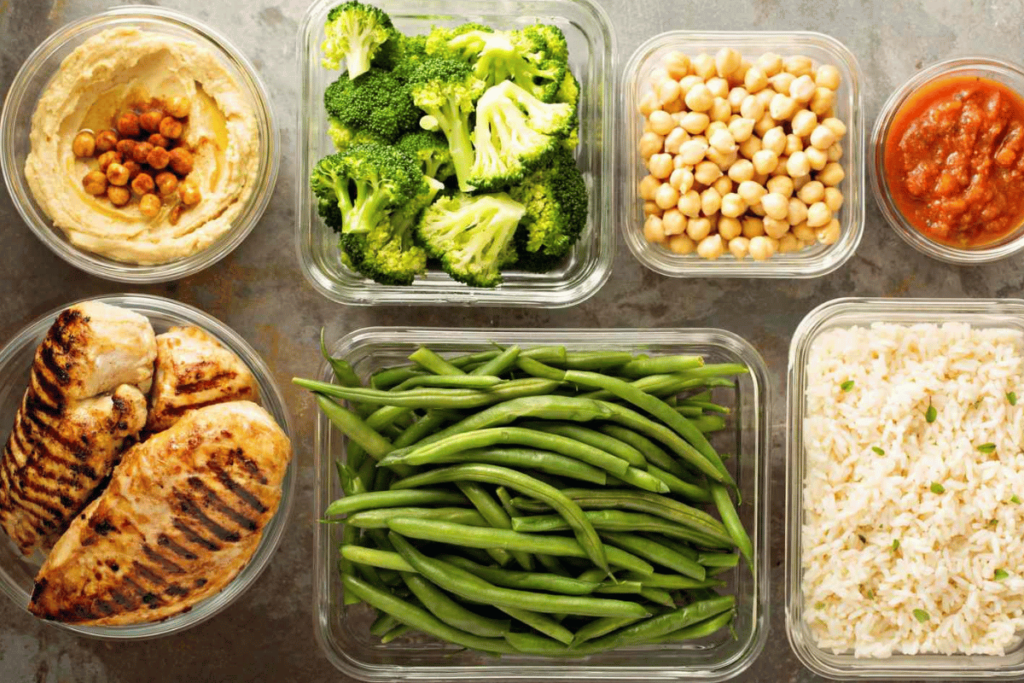
Nutrition forms the foundation of any successful weight loss journey. Prioritize protein, fiber, and balanced meals to support fullness and preserve muscle mass. Aim for a protein target around 1.6–2.2 grams per kilogram of body weight, depending on activity level and goals. Fill plates with colorful vegetables, legumes, whole grains, and healthy fats to provide essential nutrients while keeping you satisfied. Rather than extreme restrictions, adopt a sustainable calorie plan paired with mindful eating cues—chewing slowly, stopping when comfortably full, and recognizing emotional triggers that may lead to overeating. These practices help you create a calorie deficit without sacrificing energy or mood.
Smart training that accelerates fat loss and protects muscle
Resistance training 2–4 times per week is a cornerstone of durable weight loss. Lifting helps preserve lean mass, which in turn supports metabolic health. Combine this with cardio that feels doable and enjoyable, such as brisk walks, cycling, or light jogs. HIIT or shorter, higher-intensity sessions can boost calorie burn in less time, but they should be balanced with adequate recovery. Consistency beats intensity; small, repeatable workouts build momentum. Don’t overlook daily movement—standing breaks, walking meetings, and stair climbing all add up to meaningful energy expenditure and better long-term results.
Sleep, stress management, and circadian rhythm
Quality sleep and stress control profoundly influence weight regulation. Sleep debt can disrupt hunger hormones and drive cravings, while chronic stress may favor fat storage around the midsection. Aim for 7–9 hours of restful sleep most nights and implement simple routines to reduce daytime stress: shorter work blocks, mindful breathing, or a relaxed evening wind-down. When rest and stress are well managed, your body is better positioned to recover from workouts, regulate appetite, and sustain healthier eating patterns.
Personalization and technology
Modern weight loss success often hinges on personalization. Use wearables or apps to track progress, but interpret data with balance. A practical approach is to set a flexible calorie window or macronutrient target and adjust weekly based on energy, mood, sleep quality, and adherence. Consider experimenting with meal timing or occasional fasting windows under professional guidance to discover what supports your lifestyle and goals. The key is to align technology with human behavior—what you can sustain over months, not just days.
Gut health, micronutrients, and overall wellness
Emerging research links gut microbiome diversity with metabolism and appetite regulation. Emphasize a diverse, fiber-rich diet with plenty of vegetables, fruits, legumes, and fermented foods when appropriate. Hydration, adequate micronutrients, and avoiding highly processed snacks further support metabolic balance. While science continues to evolve, a focus on whole foods and mindful consumption remains a durable strategy for weight management and overall vitality.
Putting it together: a practical, sustainable plan
Ultimately, effective weight loss blends nutrition, movement, sleep, and psychological wellbeing into a straightforward routine you can maintain long term. Avoid crash diets, extreme caloric cuts, or gimmicks that promise rapid results but fail to deliver lasting change. Build a simple weekly plan, track what matters most to you, and adjust as needed. Consistency, not perfection, drives meaningful progress.
For more resources on health and fitness, visit the NewsStact homepage.