
Choosing the right electrical conduit is essential for safe, code-compliant wiring. Conduits protect conductors from physical damage, moisture, and chemical exposure, while also guiding cables through walls, ceilings, and outdoor runs. In this guide we explore electric conduit types their functions and brief description to help contractors and DIY enthusiasts pick the right solution for any project.
Overview: why conduit type matters
The conduit you select affects installation ease, long-term maintenance, and overall safety. Factors such as indoor versus outdoor use, exposure to moisture or sunlight, potential mechanical impact, and local codes influence the choice. Some conduits are rigid and offer superior protection; others provide flexibility for intricate paths. Understanding the functions of each type helps ensure a reliable wiring system that lasts for years.
Common conduit types and their primary functions
Electrical Metallic Tubing (EMT)
EMT is a thin-walled, steel conduit known for being easy to bend and install. It offers solid mechanical protection while keeping costs down. EMT is a popular indoor choice for dry locations and can be fastened with couplings and connectors. Its balanced mix of strength and workability makes it a go-to option for commercial and residential projects where concealed or surface-mounted runs are common.
Rigid Metal Conduit (RMC) and Galvanized RMC (GRC)
RMC is a thick-walled steel conduit that provides the highest level of protection against physical damage. It is ideal for outdoor installations, concrete pours, and locations with high impact risk. GRC refers to galvanized RMC finishes that resist corrosion. While heavier and more expensive, RMC and GRC are favored in harsh environments and where long-term durability is paramount.
Intermediate Metal Conduit (IMC)
IMC falls between EMT and RMC in terms of thickness and protection. It is easier to handle than RMC but offers greater protection than EMT. IMC is versatile for both indoor and outdoor use and is often chosen when a robust metal conduit is needed without the full heft of RMC.
Liquidtight Flexible Metal Conduit (LFMC)
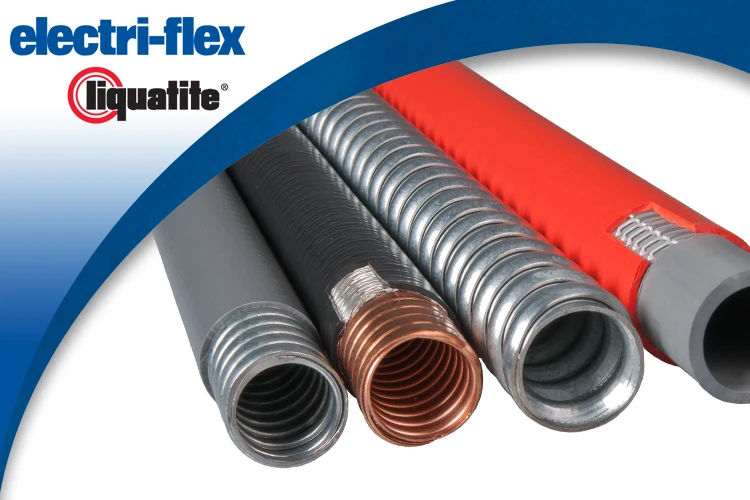
LFMC is a flexible metal conduit with a water-resistant outer jacket. It excels in areas where movement, vibration, or irregular paths demand flexibility, such as machinery connections, outdoor weatherproof runs, or dynamic installations. LFMC provides good protection while allowing for adaptable routing, though it can be more expensive per foot than rigid options.
Flexible Nonmetallic Conduit (FNMC)
FNMC, typically made from PVC or similar plastics, combines flexibility with nonconductive protection. It is useful in indoor, dry, or damp locations where bending around obstacles is needed and metal fire-stopping is desired. FNMC is lightweight and cost-effective, but it may not offer the same level of mechanical protection as metal conduits in high-impact environments.
PVC Conduit (Schedule 40/80)
PVC conduit is a nonmetallic option that is resistant to moisture and corrosion. It is widely used for outdoor and underground runs, as well as wet or damp indoor spaces. PVC conduit is easy to install with solvent-cement joints and is often selected for long, straight runs or where metal conductivity is a concern. It is not as strong as metal conduits in certain impact scenarios but provides excellent resistance to moisture and chemicals.
Key considerations when choosing a conduit
When selecting a conduit type, consider environmental conditions (indoor, outdoor, exposed to sunlight, or damp areas), expected physical risks, temperature, fire-rating requirements, and local electrical codes. The method of installation—pulling wires, bending radii, and accessibility for future upgrades—also matters. In many cases, a combination of conduit types delivers the best balance of protection, flexibility, and cost.
For more electrical topics and deeper dives, visit the Writinglish homepage.