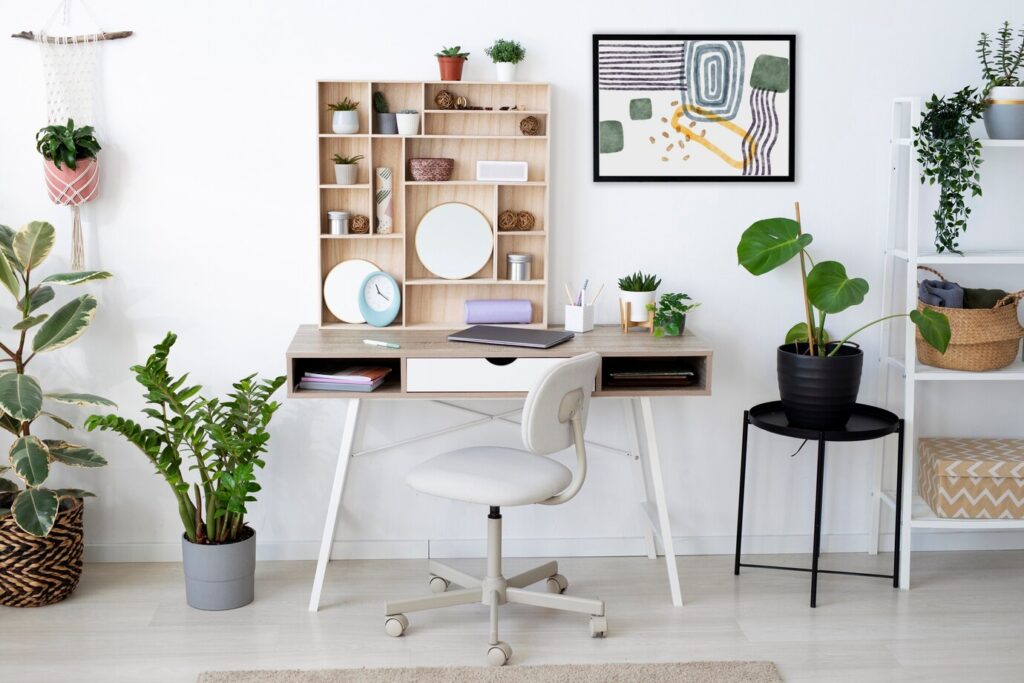

Setting up a productive home office starts with choosing the right furniture. The layout, materials, and comfort of each piece can influence your posture, focus, and overall efficiency. When planning your space, consider the important furniture items for your home office as a core framework. A well-furnished work corner not only supports daily tasks but also helps you maintain energy throughout long sessions.
Before selecting individual pieces, measure the room, identify power outlets, and think about how visitors or collaborators will access your space. A calm color palette, clean lines, and durable, easy-to-clean surfaces contribute to a work environment that reduces distractions. The goal is a balance between ergonomic support, practical storage, and a style that aligns with your personality and the rest of your home.
Must-have furniture items for a functional home office
The following items form the backbone of a comfortable and efficient workspace. Each plays a concrete role in sustaining good habits and boosting productivity.
1) An ergonomic desk
A sturdy desk with ample surface area and a comfortable height is essential. Look for options with space for a computer monitor, keyboard, and a notepad. If possible, consider a sit-stand desk to alternate between sitting and standing, which can reduce fatigue and improve circulation over the day.
2) A supportive chair
Invest in an ergonomic chair with adjustable lumbar support, seat height, and armrests. A chair that encourages proper alignment helps prevent back, neck, and shoulder strain, especially during lengthy work sessions. Pair it with a footrest if needed to maintain a healthy knee angle.
3) Storage that keeps you organized
Filing cabinets or vertical storage shelves help minimize clutter and create a clear boundary between “work” and “life.” Choose pieces with smooth glides and secure hardware. A dedicated filing system also makes it easier to locate documents quickly, reducing interruptions in your flow.
4) Adequate lighting
Good lighting reduces eye strain and boosts alertness. Combine ambient light with a task lamp that can be adjusted for brightness and direction. A well-lit desk area supports accurate color perception during design work and makes reading printed materials more comfortable.
5) Shelving for inspiration and reference
Open or closed shelving offers a place for reference books, binders, and decor that motivates you. Keeping frequently used materials within arm’s reach minimizes interruptions and helps you stay in the zone. When choosing shelves, consider weight capacity and the ease of reconfiguring the layout if your needs change.
6) Cable management and accessories
Clean cables prevent accidents and reduce visual noise. Use cable trays, clips, and grommets to route wires neatly behind the desk. Accessories such as monitor arms, a laptop stand, or a keyboard tray can elevate ergonomics and free up desk space for essential tasks.
7) Flexible, multi-functional pieces
In smaller spaces, look for furniture that serves multiple purposes—like a desk with built-in storage, a compact credenza, or a modular shelving system. These pieces adapt to changing workflows, making it easier to transform the room for meetings, brainstorming sessions, or personal projects.
When choosing your furniture, prioritize comfort, durability, and scalability. If you’re unsure where to start, you can explore curated recommendations at the Magazepaper homepage. For a targeted overview that highlights the exact lineup of essentials, consider reading more on the important furniture items for your home office page, which outlines practical configurations for different room sizes and budgets.
Ultimately, the right combination of furniture items creates a workspace that is inviting, efficient, and easy to maintain. Invest in pieces that align with your daily routines, support healthy posture, and reflect your personal style. A well-furnished home office is more than a place to work—it is a foundation for consistent focus, creativity, and long-term productivity.