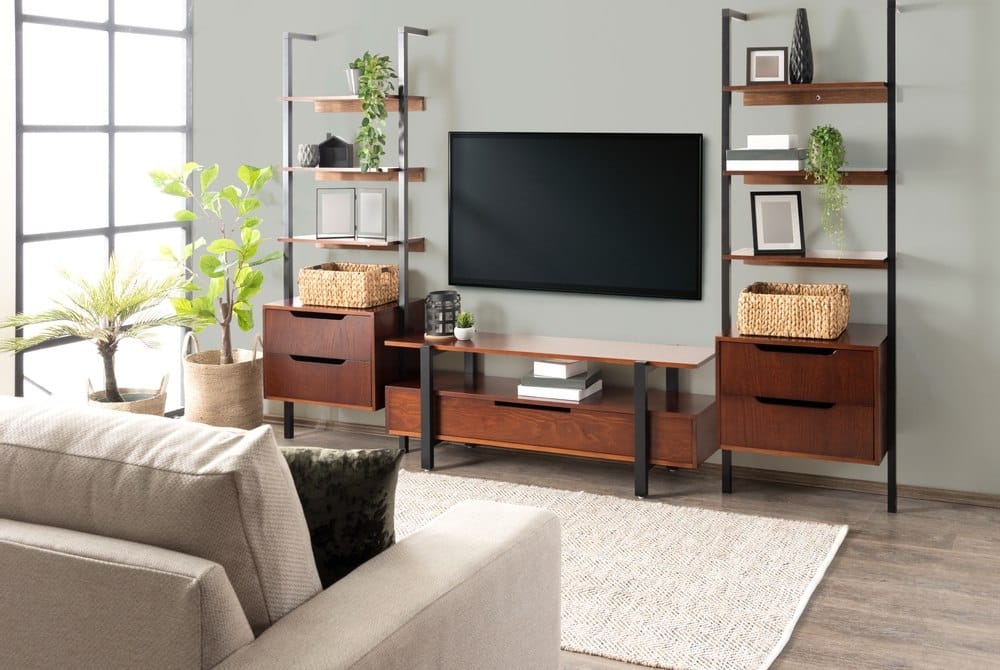

Mounting a television on the wall instantly elevates the room, but unmanaged cables can ruin the clean look you’re after. If you’re curious about how to hide wires from mounted tv, you’ve landed in a thorough, practical guide designed for homeowners who want a sleek, safe setup. From planning to installation, this article covers the best methods to conceal cables without sacrificing accessibility or safety.
Plan before you mount
Before you start drilling, map out where the power outlet and AV inputs are located relative to the TV. Consider potential future devices (soundbars, consoles, streaming boxes) and whether you want the wires to travel behind the wall or along the surface. A solid plan reduces guesswork during installation and helps you choose the right concealment method. If you’re seeking a quick reference, how to hide wires from mounted tv offers ideas aligned with common wall types and mounting styles.
Cable management options
- These are inexpensive, paintable plastic or metal channels that run along the wall. They’re ideal for renters or temporary setups and come in various shapes to match decor.
- Wall conduit: A larger, more rugged option that can conceal multiple cables through a single tube. It works well for longer runs and mixed cable types.
- In-wall cable management kit (in-wall power extension): If you want a truly clean look, these kits route cables behind the wall. They typically include a low-voltage kit and an approved in-wall rated power kit to keep electricity separated and code-compliant.
- Wall-mounted power relocation: A licensed electrician can extend a power outlet behind the TV, so cords don’t run down the wall. This method is often the most seamless but requires professional involvement.
- Behind-the-TV cavity solutions: Some mounts offer integrated channels or a backside cable management system that hides wires while allowing easy access for maintenance.
In-wall vs. surface options: safety and aesthetics
In-wall solutions deliver a flawless, cable-free appearance, but they involve electrical work and must comply with local building codes. Using an in-wall rated power kit helps keep high-voltage lines separate from low-voltage data cables, reducing heat buildup and fire risk. Surface solutions, such as raceways or cord covers, are faster to install and don’t require a permit, making them suitable for renters or temporary setups. When choosing between the two, balance the desired aesthetic with the complexity and cost of the project.
Step-by-step installation tips
- Turn off power at the outlet before handling any cables to avoid shocks.
- Mark the routing path on the wall, ensuring it avoids studs, plumbing, and HVAC elements.
- Measure the cable length requirements accurately, adding extra slack for future device additions.
- Install cord covers or raceways along the chosen path, securing them firmly to the wall with appropriate hardware.
- If using an in-wall kit, follow the manufacturer’s instructions to route cables behind the wall and install any required outlets or plates.
- Hide the outlets behind the TV or within a nearby cabinet to keep the wall looking seamless.
Maintenance and style tips
Opt for cord covers that closely match your wall color or texture for a cohesive look. If you plan to rearrange devices, choose flexible channels or removable raceways to minimize wall damage. Cable management isn’t just about hiding wires; it’s about ease of access for upgrades and repairs while preserving safety. Regularly check cable connections to prevent wear or loose plugs, especially behind wall-mounted setups where air circulation is limited.
For more home improvement tips, visit our homepage.