
Introduction
Rechargeable vapers are electronic devices designed to heat a liquid and produce an aerosol that users inhale. Unlike disposable vaping devices, rechargeable models are equipped with batteries that can be charged again, allowing the device to be used repeatedly. These products have attracted attention because of their reusable design, compact appearance, and variety of available features. However, understanding their operation, maintenance requirements, health risks, and environmental impact is essential when discussing this category of electronic products.
Although Rechargeable Vapers are sometimes marketed as convenient alternatives to disposable devices, they are not risk-free. Most vaping liquids contain nicotine, which is addictive, while the aerosol may contain substances that can affect health. Learning about these devices involves considering both their technical characteristics and the broader concerns associated with vaping.
What Are Rechargeable Vapers?
Rechargeable vapers are battery-powered electronic devices that heat a specially formulated liquid to create an inhalable aerosol. Their main distinguishing feature is a rechargeable battery, which means the battery does not need to be discarded after a single period of use.
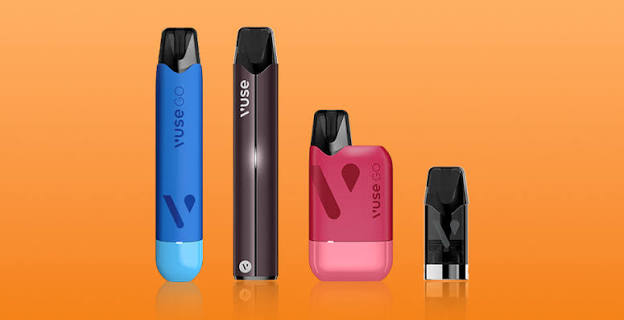
Depending on the device design, the liquid may be stored in a refillable tank, a replaceable cartridge, or a pod. Some models have integrated heating components, while others use replaceable parts. The exact design varies according to the manufacturer and product category.
Rechargeable devices are often discussed alongside disposable vapes because both use electronic heating systems. The primary difference is that rechargeable models are designed for repeated use, although their other components may still require replacement.
It is important to recognize that reusability does not automatically make a product safe. The presence of a rechargeable battery changes how the device is powered, but it does not eliminate the health risks associated with vaping.
Key Components of Rechargeable Vaping Devices
Understanding the basic components helps explain how rechargeable vapers function.
Rechargeable Battery
The battery supplies the electrical energy needed to operate the heating system. Many modern electronic devices use lithium-ion batteries because they can store energy in a relatively compact space.
Battery quality, charging compatibility, and electrical protection features are important considerations for product safety. Damaged batteries or unsuitable charging equipment may create risks, including overheating and fire.
Heating Element
The heating element warms the vaping liquid to produce an aerosol. Its construction and performance vary by model. Because heating systems operate under different conditions, the substances released into the aerosol can also vary.
Liquid Reservoir or Cartridge
The reservoir stores the liquid used by the device. Depending on the design, it may be refillable or replaceable. Vaping liquids can contain propylene glycol, vegetable glycerin, flavorings, nicotine, or other ingredients.
The composition of these liquids matters because inhaling substances can affect the respiratory system. A product’s flavor or appearance does not establish that its ingredients are safe to inhale.
Electronic Controls
Some rechargeable devices include sensors, indicator lights, or electronic controls. These components may communicate battery status or regulate aspects of device operation.
More advanced features do not necessarily indicate better health outcomes. Product claims should be evaluated carefully, especially when they suggest that a device is harmless.
Common Types of Rechargeable Vapers
Rechargeable vaping products are available in several general categories.
Pod-based devices use compact cartridges or pods that contain vaping liquid. Depending on the design, the pods may be refillable or replaceable.
Tank-based devices use a reservoir that can hold liquid separately from the heating component. Their construction varies, and some designs include multiple replaceable parts.
Compact rechargeable devices prioritize portability and a relatively simple exterior. Their small size can make them easy to carry, but compact construction does not remove battery or inhalation-related risks.
Advanced electronic devices may include digital displays or electronic monitoring features. These functions can provide information about the device, but they cannot guarantee that the resulting aerosol is safe.
Each category has different technical characteristics, yet all vaping products warrant careful consideration because of their potential health effects.
Understanding Battery Safety and Charging
Battery safety is an important subject for any rechargeable electronic product. Rechargeable vapers contain electrical components that may become hazardous if damaged, improperly manufactured, or exposed to unsuitable conditions.
Users should follow the manufacturer’s safety information and avoid using devices with damaged batteries, unusual swelling, or signs of overheating. A device that becomes unusually hot, leaks, or develops an unfamiliar electrical odor should not be treated as normal.
Batteries should not be exposed to extreme temperatures, water, or physical damage. They also require appropriate handling at the end of their useful life. Lithium-ion batteries should not be placed in ordinary household rubbish when local recycling facilities accept them separately.
These precautions are relevant to rechargeable electronics generally. However, safe battery handling does not address the separate health risks associated with inhaling vaping aerosol.
Health Risks Associated With Rechargeable Vapers
One of the most important considerations surrounding rechargeable vapers is their potential impact on human health.
Nicotine Dependence
Many vaping liquids contain nicotine, an addictive substance that can lead to dependence. Nicotine exposure is particularly concerning for adolescents because the brain continues developing into early adulthood.
People who do not currently use tobacco or nicotine products should not begin vaping. Rechargeable technology does not reduce nicotine’s addictive properties.
Respiratory Effects
Vaping aerosol is not simply harmless water vapor. It may contain fine particles, volatile organic compounds, metals, and other potentially harmful substances. The exact composition depends on the liquid, device, heating conditions, and product quality.
Inhaling these substances may irritate the respiratory system and expose the lungs to chemicals that are not intended to be inhaled in this form.
Cardiovascular Concerns
Nicotine can increase heart rate and blood pressure. Vaping may also expose the body to substances that have potential cardiovascular effects. Researchers continue to study the long-term consequences of repeated exposure.
Flavoring and Ingredient Concerns
Vaping liquids are sold in many flavors, but ingredients suitable for consumption are not necessarily safe to inhale. Heating can also change the chemical composition of certain substances.
Consumers should not assume that an appealing flavor, attractive package, or claim of premium quality guarantees safety.
Rechargeable Vapers and Environmental Sustainability
Rechargeable vapers are often discussed as a way to reduce the waste associated with single-use electronic products. Because their batteries and some components can be used repeatedly, they may generate less waste than frequently discarded disposable devices under certain circumstances.
However, their environmental impact depends on several factors, including product lifespan, manufacturing methods, liquid containers, replacement parts, and end-of-life disposal.
Electronic vaping products may contain batteries, metals, plastics, and liquid residues. Improper disposal can contribute to electronic waste and create problems for waste-management systems.
Responsible battery recycling and the proper disposal of electronic components are therefore important. Consumers should consult local recycling guidance rather than assuming that a vaping device belongs in a standard recycling bin.
It is also worth noting that reusable construction does not automatically make vaping environmentally sustainable. A meaningful comparison requires considering the complete life cycle of each product.
Regulations and Responsible Consumer Awareness
Rules governing vaping products differ between countries and regions. Regulations may address minimum purchasing ages, nicotine concentrations, packaging, product ingredients, advertising, and restrictions on use in public places.
Anyone researching rechargeable vapers should check the laws applicable to their location. Product availability does not necessarily mean that a product complies with every relevant safety or legal requirement.
Marketing language should also be approached critically. Descriptions such as advanced, premium, or reusable refer to product positioning or design characteristics rather than proof of health safety.
For people concerned about nicotine dependence, qualified healthcare professionals can provide information about the risks of vaping and evidence-based options for stopping nicotine use.
Rechargeable Vapers Compared With Disposable Devices
Rechargeable and disposable vaping products differ mainly in their intended lifespan and waste characteristics.
Disposable devices are generally designed to be discarded when their usable contents or battery capacity are exhausted. Rechargeable devices can be used repeatedly, although their cartridges, liquid reservoirs, batteries, or other components may eventually need replacement.
Rechargeable models may reduce the number of complete devices discarded when compared with frequently replaced disposables. Nevertheless, they still require resources to manufacture and may produce electronic waste.
Neither category should be considered harmless simply because of its design. Both can expose users to nicotine and other substances, and both raise questions about responsible disposal.
Conclusion
Rechargeable vapers are electronic devices that combine rechargeable batteries, heating systems, and liquid reservoirs to produce an inhalable aerosol. Their reusable construction distinguishes them from single-use products, while their designs range from simple pod systems to more complex electronic models.
Understanding rechargeable vapers requires looking beyond convenience and technical features. Battery safety, liquid ingredients, nicotine dependence, respiratory concerns, local regulations, and environmental disposal all deserve attention.
Although reusable electronics can offer practical advantages in certain circumstances, rechargeable vaping devices are not risk-free and should not be promoted as harmless alternatives. People who do not use nicotine should avoid starting, while anyone seeking to stop vaping can benefit from reliable health information and professional support. A balanced understanding of the technology helps ensure that discussions about rechargeable vapers remain informed, responsible, and focused on public health.
