
Introduction
Sports facilities play an important role in building strong, healthy, and connected communities. From local playgrounds and public parks to football grounds, basketball courts, swimming pools, and modern sports complexes, these spaces provide opportunities for people of all ages to participate in physical online streamers activities. They also create environments where individuals can develop friendships, learn valuable life skills, and work toward shared goals. Beyond entertainment and exercise, sports facilities contribute to education, social inclusion, economic growth, and the overall quality of community life.
As cities expand and populations grow, investing in accessible sports facilities becomes increasingly important. Well-planned recreational spaces can transform neighborhoods by encouraging active lifestyles, supporting young people, and bringing residents together. Understanding their value helps communities make better decisions about public infrastructure and long-term development.
1. Promoting Better Physical and Mental Health
One of the most significant benefits of sports facilities is their contribution to public health. Access to nearby playgrounds, walking tracks, fitness areas, and sports courts makes it easier for residents to remain physically active. Regular exercise supports cardiovascular health, strengthens muscles and bones, and helps people maintain their general well-being.
Convenient sports facilities can also encourage children and teenagers to spend more time participating in physical activities rather than remaining inactive throughout the day. Adults and older residents can benefit from walking groups, recreational games, and low-impact exercise programs.
Sports also support mental well-being. Physical activity can help reduce everyday stress, improve mood, and create opportunities for positive social interaction. When communities provide safe and welcoming recreational spaces, residents gain more opportunities to care for both their physical and emotional health.
2. Creating Opportunities for Young People
Young people are an essential part of every community, and sports facilities can help them develop important skills for the future. Organized sports teach discipline, teamwork, patience, communication, and responsibility. These lessons can benefit students in classrooms, families, and future workplaces.
Local sports grounds and community centers provide constructive activities outside school hours. Coaches and instructors can guide young participants, encourage healthy competition, and help them discover their abilities. Young athletes may also gain opportunities to participate in school competitions, regional tournaments, and talent development programs.
Affordable facilities are particularly valuable for families who cannot regularly pay for private clubs or expensive training programs. When sports opportunities are available to everyone, young people from different economic backgrounds can participate, build confidence, and develop their potential.
3. Strengthening Social Connections
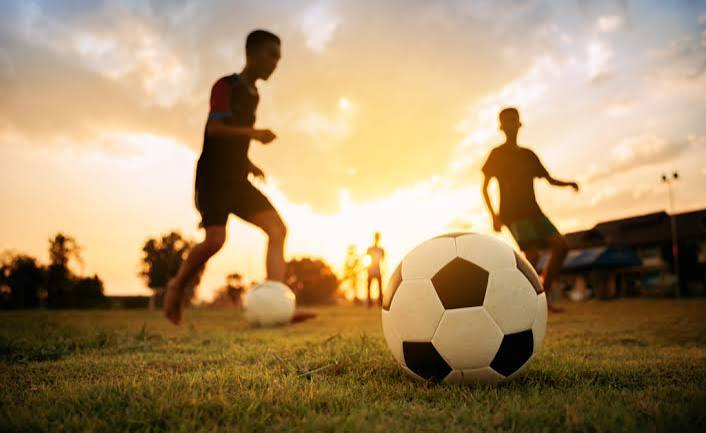
Strong communities depend on positive relationships between residents. Sports facilities provide common spaces where people can meet, communicate, and develop lasting friendships. A neighborhood football match, weekend cricket game, fitness class, or community sports event can bring together individuals who might otherwise have little contact with one another.
These interactions help create a sense of belonging. Residents become more familiar with their neighbors, learn to cooperate, and develop mutual respect. Parents can connect while their children participate in activities, while older residents may find opportunities to socialize through walking clubs and recreational programs.
Sports facilities can also help reduce social isolation by offering regular activities for people who might otherwise feel disconnected. By creating shared experiences, these spaces contribute to stronger relationships and a more supportive community environment.
4. Encouraging Inclusion and Equal Opportunities
Community development is most effective when everyone has a chance to participate. Sports facilities can support inclusion by welcoming people regardless of their income, background, age, gender, or physical ability.
Accessible entrances, suitable changing rooms, adapted equipment, and inclusive sports programs can make recreational spaces more useful for people with disabilities. Facilities should also provide appropriate opportunities for girls and women, ensuring that they feel safe, respected, and comfortable participating in sports.
Publicly available facilities are especially important in neighborhoods where private recreational options are limited. Affordable membership fees, free community sessions, and equipment-sharing programs can remove financial barriers.
When facilities are designed around the needs of different groups, they become more than places for exercise. They serve as shared community resources that encourage fairness, respect, and equal participation.
5. Supporting Local Economic Growth
Sports facilities can contribute to economic development by creating employment and attracting visitors. Their construction and maintenance may generate work for engineers, architects, builders, cleaners, groundskeepers, security staff, coaches, and administrative employees.
Local businesses can also benefit from sports activities. Visitors attending tournaments and sporting events may purchase food, use transportation services, book accommodation, or shop at nearby businesses. Small vendors and local service providers can gain additional customers when events are organized responsibly.
Well-maintained sports complexes may attract regional competitions, training camps, and community festivals. These activities can increase spending in the surrounding area and improve the visibility of local businesses.
However, economic benefits depend on thoughtful planning. Communities should consider operating expenses, accessibility, maintenance requirements, and realistic demand before investing in major sports projects. Smaller neighborhood facilities can sometimes deliver substantial benefits at a lower cost.
6. Improving Education and Life Skills
Sports facilities can strengthen the connection between education and personal development. Schools that have access to suitable playgrounds, courts, and sports halls can provide students with more opportunities to participate in physical education and organized activities.
Through sports, students learn how to follow rules, manage time, cooperate with others, and respond constructively to both success and disappointment. Team activities encourage communication and problem-solving, while individual sports can develop concentration and self-discipline.
Community sports centers can also host educational workshops, coaching sessions, health awareness campaigns, and youth leadership programs. These activities extend learning beyond the classroom and help participants develop practical skills.
Partnerships between schools, local authorities, sports organizations, and community groups can make facilities more useful throughout the year. Such cooperation ensures that recreational spaces support both academic development and broader personal growth.
7. Making Neighborhoods Safer and More Attractive
Well-designed sports facilities can improve the appearance and usefulness of public spaces. A neglected plot of land can become a clean playground, a maintained football field, or a recreational park that encourages residents to spend time outdoors.
Regular activities can increase positive use of public spaces and strengthen residents’ sense of responsibility for their surroundings. Community members who feel connected to a local facility may be more willing to participate in maintenance activities, report safety concerns, and support neighborhood improvement projects.
Safety should remain a priority in facility planning. Adequate lighting, secure entrances, clean surroundings, suitable equipment, accessible pathways, and trained staff can help create a welcoming environment.
Sports facilities should also be located where residents can reach them conveniently, preferably through safe walking routes and reliable public transportation. Good planning helps ensure that recreational spaces become practical parts of everyday community life.
8. Encouraging Community Participation and Cooperation
Successful community development requires cooperation between residents, local governments, schools, businesses, and nonprofit organizations. Sports facilities offer a practical way for these groups to work toward common objectives.
Community members can participate in decisions about which facilities are needed, what programs should be offered, and how resources should be managed. Public consultations and neighborhood meetings help ensure that investments reflect local priorities.
Volunteers can assist with sports events, youth coaching, equipment management, and recreational programs. Local businesses may sponsor tournaments or contribute supplies, while public authorities can provide funding and oversee safety standards.
This shared responsibility encourages community ownership. When residents have a meaningful role in planning and maintaining facilities, they are more likely to use them regularly and support their long-term success.
9. Promoting Environmental Sustainability
Modern sports facilities should be developed with environmental responsibility in mind. Sustainable design can reduce operating costs while protecting local natural resources.
Examples include energy-efficient lighting, water-saving systems, rainwater collection, appropriate waste management, and the use of durable construction materials. Trees and landscaped areas can provide shade, improve the appearance of recreational spaces, and create more comfortable outdoor environments.
Developers should also consider how facilities affect existing green spaces, drainage systems, and surrounding neighborhoods. Renovating an existing sports ground may sometimes be more practical than constructing a new complex.
By combining recreation with sustainable planning, communities can create facilities that serve residents today while remaining useful for future generations.
Conclusion
Sports facilities matter for community development because they support much more than physical exercise. They improve public health, provide constructive opportunities for young people, strengthen social relationships, encourage inclusion, create employment, and contribute to safer and more attractive neighborhoods.
Their greatest value comes when they are accessible, affordable, well-maintained, and designed around the needs of local residents. Communities do not always need expensive stadiums or large sports complexes to experience these benefits. Even a modest playground, public basketball court, walking track, or neighborhood football field can create meaningful opportunities for connection and growth.
Investing in sports facilities is therefore an investment in people and the future of the community. By prioritizing inclusive recreation, responsible planning, and long-term maintenance, communities can build healthier environments where individuals feel connected, young people can thrive, and residents have more opportunities to participate in collective progress.
