
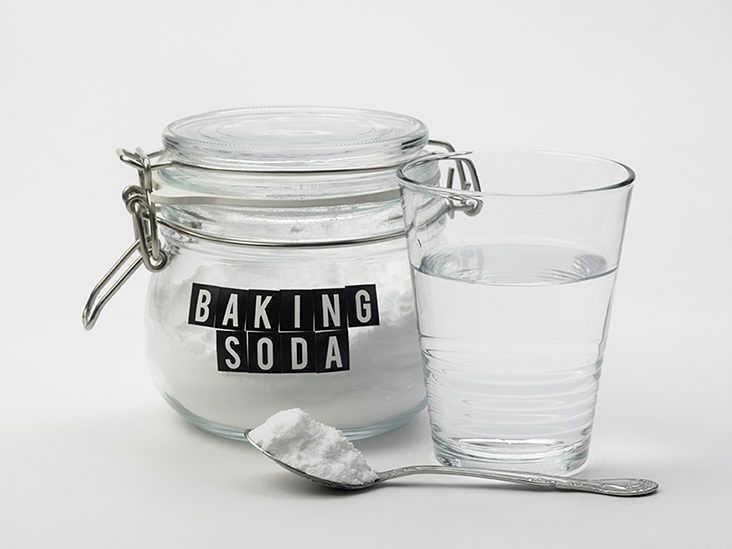
The internet is constantly introducing new wellness trends, and one that has attracted considerable attention is the viral baking soda shot recipe. Social media posts often present baking soda mixed with water as a simple drink associated with digestion, energy, detox routines, or weight management. Because baking soda is inexpensive and widely available, the trend can seem especially appealing. However, popularity online does not automatically mean that a wellness practice is effective or appropriate for everyone.
Understanding what baking soda actually does in the body is important before considering any drink promoted as a health shortcut. Baking soda, also known as sodium bicarbonate, is an alkaline compound commonly used in cooking and as an ingredient in certain over-the-counter products. Its chemical properties can affect stomach acidity, which may explain why some people associate it with digestive benefits. Nevertheless, drinking concentrated baking soda is different from using it appropriately in food or approved products.
What Is the Viral Baking Soda Shot Trend?
The viral baking soda shot recipe generally refers to a small amount of baking soda mixed with water and consumed as a quick drink. Different social media posts may suggest different quantities and combinations, sometimes adding lemon juice or other ingredients.
The trend has gained attention because it fits the style of many viral wellness challenges: it is simple, inexpensive, quick to prepare, and presented as a potential solution for a common goal. Weight loss is one of the most frequently discussed claims, while other posts connect baking soda drinks with digestion, bloating, or general wellness.
However, these claims should be separated from established evidence. A viral video or testimonial is not the same thing as clinical research. Individual experiences can also be influenced by diet, hydration, exercise, and many other factors.
Why Baking Soda Is Associated With Weight Loss
The connection between baking soda and weight management is largely driven by online claims rather than strong evidence that drinking baking soda directly causes meaningful fat loss.
Some proponents suggest that changing the body’s acidity or improving digestion could somehow encourage weight reduction. These ideas can sound convincing because baking soda is alkaline and interacts with acids. Yet the human body has sophisticated systems that tightly regulate blood pH. Drinking baking soda does not simply transform the body’s overall chemistry in a way that causes stored body fat to disappear.
Sustainable weight management generally depends on factors such as overall calorie intake, nutritional quality, physical activity, sleep, stress, genetics, and individual health circumstances. A homemade drink cannot replace these fundamentals.
Is a Baking Soda Drink a Detox Solution?
Another reason this trend has become popular is the idea of detoxification. Social media wellness content frequently describes certain drinks as cleansing or detoxifying.
The body already has organs responsible for processing and eliminating waste, particularly the liver and kidneys. There is no strong reason to assume that routinely drinking baking soda improves these natural processes.
A baking soda beverage may temporarily change stomach acidity, but that should not be confused with removing unspecified “toxins” from the body. Claims about detoxification deserve particular caution when they are not supported by reliable scientific evidence.
Potential Digestive Effects
Baking soda can neutralize stomach acid because it is alkaline. This property explains why sodium bicarbonate appears in some antacid products. However, that does not mean drinking homemade baking soda mixtures is a suitable treatment for recurring digestive symptoms.
Digestive discomfort can have many causes, including dietary habits, reflux, food intolerances, medications, and underlying medical conditions. Regularly masking symptoms with homemade remedies could delay appropriate evaluation.
People who experience frequent heartburn, abdominal pain, nausea, or persistent digestive changes should discuss those symptoms with a qualified healthcare professional rather than relying on viral wellness recipes.
Important Safety Considerations
One of the biggest concerns surrounding homemade baking soda drinks is sodium content. Baking soda contains sodium, and consuming excessive amounts can contribute to an excessive sodium intake.
Large amounts can also cause unpleasant or potentially serious effects, including nausea, vomiting, abdominal discomfort, electrolyte disturbances, and changes in the body’s acid-base balance. The risks can be greater for people with certain medical conditions or those taking particular medications.
Another issue is dosage. Online recipes are not standardized. A post may recommend an amount that differs substantially from another post, making it difficult for readers to know what is appropriate.
For this reason, a homemade baking soda shot should not automatically be considered harmless simply because baking soda is a familiar kitchen ingredient.
What About Lemon and Baking Soda Combinations?
Some versions of the trend combine baking soda with lemon juice. The mixture produces a noticeable fizz because the acidic lemon juice reacts with sodium bicarbonate.
The reaction may make the drink look more impressive, but fizzing does not demonstrate that the beverage burns fat or provides special detox benefits. Much of the chemical reaction occurs before consumption.
Adding lemon may provide flavor and vitamin C, but it does not turn baking soda into a proven weight-loss drink. The overall health value of such a combination should therefore be considered realistically.
Healthier Approaches to Weight Management
Instead of looking for a single viral drink, people interested in weight management can focus on habits with broader nutritional support. Balanced meals containing vegetables, fruits, whole grains, protein sources, and appropriate amounts of healthy fats can support overall nutrition.
Regular movement is also valuable. Walking, strength training, recreational activities, and other forms of exercise can contribute to physical fitness and energy expenditure.
Hydration is another simple habit. Plain water is generally an effective choice for meeting fluid needs without unnecessary sodium or calories.
Sleep and stress management also deserve attention because they can influence appetite, food choices, energy levels, and consistency with healthy routines.
Why Viral Wellness Trends Can Be Misleading
The popularity of the viral baking soda shot recipe demonstrates how quickly wellness information can spread online. Short videos often simplify complicated biological processes into easy promises. A drink may be presented as a “secret” solution even when evidence is limited or absent.
Consumers should look beyond views, likes, and testimonials. Reliable health information should be based on credible research and appropriate professional guidance.
A useful question to ask is whether the claimed benefit has been demonstrated in well-designed human studies. If the answer is unclear, caution is appropriate.
The Bottom Line
The viral baking soda shot recipe is an example of how a simple household ingredient can become part of a major wellness trend. Although baking soda has legitimate uses, particularly in cooking and certain approved products, there is not strong evidence that drinking homemade baking soda mixtures causes significant weight loss or provides a special detox effect.
People considering this trend should also remember that baking soda contains substantial sodium and can cause health problems when consumed improperly or in excessive amounts. Weight management is better approached through balanced nutrition, physical activity, adequate sleep, hydration, and sustainable lifestyle habits.
Viral popularity can make a wellness idea seem more credible than it actually is. Taking a careful, evidence-based approach can help distinguish an interesting internet trend from a genuinely useful health practice.
