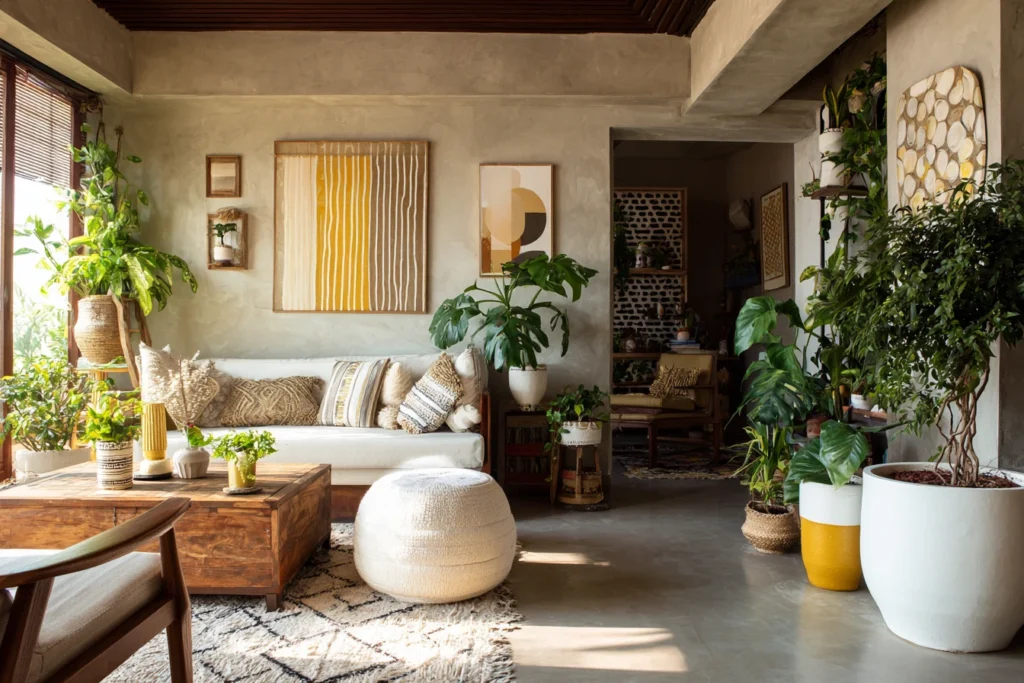

Creating a stylish home does not always require expensive furniture, professional designers, or a complete renovation. With a little creativity, simple DIY projects can transform ordinary rooms into spaces that feel personal, practical, and visually appealing. From clever storage solutions to decorative upgrades, DIY interior ideas allow homeowners to experiment with colors, textures, layouts, and furniture while staying within budget.
One of the most useful ways to refresh a home is by giving existing furniture a new purpose. A popular example is the IKEA BILLY bookcase hack, which can turn a basic bookcase into a custom-looking built-in, display cabinet, or elegant storage wall. Along with furniture hacks, small decorative changes can make a surprisingly big difference.
Give Ordinary Furniture a Custom Look
Furniture does not have to remain exactly as it comes from the store. A simple piece can become a statement feature with paint, trim, hardware, wallpaper, or decorative molding.
Consider updating an old cabinet with new handles or painting a wooden side table in a bold shade. Adding trim around the edges of a bookshelf can make it appear more expensive and architectural. Even replacing standard furniture legs with decorative alternatives can completely change its appearance.
The key is to look at furniture as a starting point rather than a finished product. A few affordable materials and some creativity can help you create pieces that better match your personal style.
Try an IKEA BILLY Bookcase Hack
The IKEA BILLY bookcase is a practical storage solution, but it can also serve as the foundation for a much more customized interior feature. An IKEA BILLY bookcase hack can transform individual shelves into a cohesive built-in wall that looks professionally designed.
For example, several bookcases can be arranged side by side and surrounded with trim or molding. Painting the entire installation in one color can create a seamless appearance. You can also add cabinet doors to the lower sections while keeping the upper shelves open for books, artwork, plants, and decorative objects.
Another creative approach is to use wallpaper or a contrasting paint color on the back panels. This adds depth and visual interest without requiring a major renovation.
Before beginning the project, measure the available wall carefully and consider ceiling height, electrical outlets, baseboards, and door clearance. Proper planning helps ensure that the finished result looks intentional and fits naturally into the room.
Create a Feature Wall
A feature wall can instantly change the personality of a room. You do not necessarily need expensive wallpaper or complicated construction to achieve the effect.
Paint is one of the simplest options. Choose a deep, warm shade for a cozy bedroom or a soft neutral for a calm living area. For something more decorative, consider geometric patterns created with painter’s tape.
Wood slats, removable wallpaper, framed artwork, or DIY wall panels can also create an attractive focal point. The best choice depends on the room’s existing furniture and overall aesthetic.
A feature wall works particularly well behind a bed, sofa, dining table, or television because it naturally draws attention toward that area.
Make Storage Part of the Design
Good storage should be functional, but it can also contribute to the appearance of a room. Instead of hiding every item away, combine closed storage with attractive open displays.
Floating shelves are a useful DIY project for displaying books, photographs, candles, plants, and artwork. Baskets can hide everyday items while adding texture. Wooden crates can also be stacked or mounted on walls to create inexpensive storage compartments.
When organizing open shelving, avoid filling every available space. Leave some empty areas between objects to create balance and make the display feel less cluttered.
Refresh Your Lighting
Lighting has a major influence on how an interior looks and feels. Replacing a dated lampshade or adding a new floor lamp can provide an immediate update.
DIY lighting projects can be as simple as creating a decorative pendant shade or adding warm LED lighting beneath shelves. String lights can add a relaxed atmosphere to bedrooms, reading corners, or balconies.
Layering different types of lighting is particularly effective. Combine general room lighting with task lighting and decorative accent lights. This allows you to change the mood of the space depending on the activity or time of day.
Add Personality With Artwork
Blank walls can make a home feel unfinished. Instead of purchasing expensive artwork, create your own collection using photographs, prints, sketches, fabric pieces, or handmade decorations.
A gallery wall is an excellent DIY project because it can be customized to suit your personality. Mix different frame sizes while maintaining one visual element, such as a consistent color palette.
You can also frame children’s artwork, travel photographs, postcards, or meaningful keepsakes. These pieces often make a home feel more personal than generic decorative prints.
Bring Nature Indoors
Plants are another simple way to improve an interior. They add color, texture, and a natural element to otherwise plain rooms.
If you have limited floor space, use hanging planters or wall-mounted plant holders. Small plants can sit on shelves, desks, kitchen counters, and windowsills.
For a low-maintenance option, choose plants that suit the lighting conditions of your home. Decorative pots can also become part of the design, especially when grouped together in different sizes and shapes.
Upgrade Small Details
Sometimes the smallest changes have the greatest visual effect. Replace old cabinet knobs, update curtain rods, add decorative cushions, or introduce a new rug.
Textiles are particularly useful because they can change seasonally. Lightweight fabrics and lighter colors can create a fresh atmosphere, while heavier throws and richer tones can make a room feel warmer.
Mirrors can also make rooms appear brighter and more spacious. Positioning a mirror opposite a window can help reflect natural light throughout the space.
Personalize Every Room
A stylish home should also feel like it belongs to the people who live there. Rather than following every interior design trend, choose elements that reflect your interests and lifestyle.
For a reading enthusiast, create a comfortable reading corner with a chair, lamp, and bookshelf. Someone who enjoys entertaining might focus on a welcoming dining area. Families can create practical zones that combine storage with attractive displays.
The goal is not perfection. A home becomes more interesting when it contains meaningful objects, handmade pieces, favorite colors, and evidence of everyday life.
Plan DIY Projects Carefully
Before starting any DIY interior project, establish a realistic budget and timeline. Measure spaces carefully, prepare the necessary tools, and research unfamiliar techniques before beginning.
Start with smaller projects if you are new to DIY. Painting furniture, creating wall art, installing shelves, or updating hardware can build confidence before you attempt larger transformations.
It is also important to prioritize safety. Use appropriate tools, follow installation instructions, and make sure heavy furniture and wall-mounted items are securely fastened.
Create a Home That Feels Like You
DIY interior design is ultimately about creativity and individuality. A basic bookshelf can become a built-in feature, an empty wall can become a gallery, and an ordinary piece of furniture can become a unique statement.
Projects such as an IKEA BILLY bookcase hack demonstrate how affordable furniture can be adapted to suit a specific space and personal taste. Combined with thoughtful lighting, creative storage, artwork, plants, and carefully chosen accessories, these simple ideas can make a home feel more stylish without losing its character.
The most successful interior is not necessarily the most expensive one. It is the space that feels comfortable, functional, and genuinely personal. By approaching your home with creativity and a willingness to experiment, you can create an interior that reflects your personality while making everyday living more enjoyable.