
Wearable technology has become an important part of modern life, helping people monitor their daily activities, track fitness progress, receive notifications, and understand their health habits. Among the most popular wearable devices today are smart rings and smartwatches. Both offer useful features, but they serve different purposes and provide different user experiences. Choosing between them depends on personal preferences, lifestyle, budget, and the features that matter most.
Smartwatches have been popular for years because they combine fitness tracking, communication, and smartphone connectivity in one convenient device. Smart rings, on the other hand, offer a smaller and more discreet alternative for people who want to monitor selected health and activity metrics without wearing a watch.
As wearable technology continues to develop, consumers have more choices than ever before. Someone looking for a budget smart ring with heart rate tracking may consider the COLMI R09 Smart Ring, while another person might prefer a smartwatch with a large display, GPS, and interactive applications.
Understanding the differences between these devices can help you make an informed decision. This guide compares smart rings and smartwatches, explores their main advantages and limitations, and explains which wearable may suit your everyday needs.
Understanding Smart Rings and Smartwatches
Before comparing their features, it is important to understand how these two types of wearable technology work.
What Is a Smart Ring?
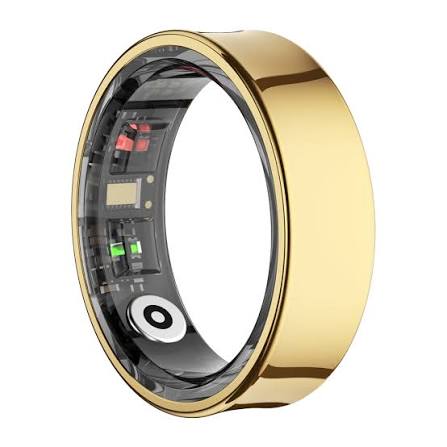
A smart ring is a compact electronic device worn on a finger. It typically contains sensors that collect information about selected health and activity measurements. Depending on the model, these measurements may include heart rate, sleep patterns, movement, and daily activity.
Most smart rings connect to a smartphone through Bluetooth and use a companion application to display collected information. Unlike a smartwatch, a smart ring generally does not have a traditional screen. Users usually review their measurements through their phones.
The biggest advantage of a smart ring is its discreet design. It looks similar to an ordinary ring and does not take up much space on the wrist. This makes it attractive to people who prefer simple accessories and want wearable technology that fits naturally into their daily routine.
What Is a Smartwatch?
A smartwatch is a wrist-worn electronic device that combines timekeeping with digital features. Most modern smartwatches include a touchscreen, activity tracking, notifications, and health-related sensors.
Depending on the model, users may receive phone calls, read messages, control music, use navigation, check the weather, or access applications directly from their wrists.
Smartwatches are available in different sizes, designs, and price ranges. Some models focus on everyday convenience, while others provide advanced sports tracking and specialized health features.
Their larger screens and additional controls make them suitable for people who want wearable technology that does more than monitor basic activity.
Smart Rings vs. Smartwatches: Key Differences
Although smart rings and smartwatches can share several features, their designs influence how people use them.
Design and Comfort
Smart rings are designed to be small, lightweight, and unobtrusive. Once properly fitted, a ring can be comfortable for people who do not enjoy wearing a watch throughout the day.
Because rings are compact, they also work well with different clothing styles. Users can wear them in professional environments, during travel, or while relaxing at home without making their technology the center of attention.
However, ring sizing is important. A ring that is too loose may affect sensor contact, while one that is too tight may become uncomfortable. Some activities, including weightlifting, can also make wearing a ring inconvenient or potentially unsafe because of pressure against the finger.
Smartwatches are larger and more noticeable. Their straps can usually be adjusted, and users can choose from various materials and designs. Some people find a watch easier to put on and remove than a ring, especially when changing accessories or charging the device.
Ultimately, comfort depends on individual preferences and the activity being performed.
Health and Fitness Tracking
Health monitoring is one of the main reasons consumers purchase wearable devices.
Smart rings often concentrate on measurements such as heart rate, sleep duration, activity, and general wellness trends. Their small size allows them to collect information throughout the day and, on supported models, during sleep.
A smartwatch can provide similar measurements while offering additional workout-related features. Depending on the model, these may include GPS-based distance tracking, workout modes, elevation information, and more detailed exercise summaries.
For example, a person who wants to understand sleep habits and general daily activity may appreciate a smart ring. Someone who regularly runs outdoors and wants to see pace, distance, and workout information on a screen may prefer a smartwatch.
It is important to remember that consumer wearables are not medical diagnostic devices. Their measurements can be affected by sensor quality, fit, movement, and other factors. Neither device should replace professional medical advice or prescribed monitoring equipment.
Battery Life and Charging
Battery performance varies considerably between smart rings and smartwatches.
Many smart rings are designed to operate for several days on a single charge because they have smaller displays or no display at all. This can make them convenient for users who want continuous tracking without frequent charging.
Smartwatches often consume more power because they operate screens, wireless connections, applications, and other features. Basic models may offer several days of use, while advanced devices with bright displays, GPS, and frequent notifications may require more frequent charging.
Some smartwatches also include battery-saving modes that reduce selected functions to extend operating time.
When comparing devices, look beyond advertised battery estimates. Actual performance depends on how often sensors operate, whether notifications are enabled, how much GPS is used, and the age of the battery.
Smartphone Connectivity and Notifications
Smartwatches generally provide a stronger experience for people who want to interact with their phones without taking them out of their pockets.
Depending on the model and operating system, users can read incoming messages, answer calls, control music, view reminders, and access selected applications. Certain models also support contactless payments and independent cellular connectivity.
Smart rings usually offer a more limited set of interactive features. Their primary purpose is often collecting data rather than displaying information or responding to notifications.
Most models rely on a connected smartphone for detailed reports and settings.
If communication and convenience are your main priorities, a smartwatch is usually the more versatile choice. If you prefer a device that quietly collects wellness information in the background, a smart ring may be more suitable.
Why Consider a Budget Smart Ring With Heart Rate Tracking?
Not every consumer needs an expensive smartwatch with a large screen and numerous applications. For people who want basic health-related tracking in a compact design, an affordable smart ring can be worth considering.
A budget smart ring with heart rate tracking may provide selected wellness measurements without requiring the user to wear a traditional wristwatch. This can be particularly appealing to students, office workers, casual fitness enthusiasts, and people who prefer minimalist accessories.
However, affordability should not be the only purchasing consideration. Buyers should also evaluate sensor capabilities, application compatibility, charging arrangements, durability, sizing options, and the quality of the information provided.
Exploring the COLMI R09 Smart Ring
The COLMI R09 Smart Ring is an option worth researching for consumers interested in entry-level smart ring technology. Its compact form makes it an alternative to larger wrist-worn devices.
Before purchasing the COLMI R09 Smart Ring, buyers should confirm the exact features offered by the current model and its accompanying application. Product specifications and supported functions can vary by listing, market, or version.
Important details to check include whether heart rate monitoring is supported, how activity information is displayed, whether sleep tracking is available, and which smartphone operating systems are compatible.
It is also useful to review charging requirements, water-resistance ratings, warranty coverage, and return policies. These details can make a meaningful difference to the overall ownership experience.
An inexpensive wearable can offer good value when its available features match the buyer’s expectations. However, consumers should avoid assuming that a budget model provides every feature found in more expensive smart rings or smartwatches.
Who Should Choose an Affordable Smart Ring?
An entry-level smart ring may be suitable for people who:
- Prefer a small and discreet wearable.
- Want to explore basic health and activity tracking.
- Do not need a touchscreen or frequent phone notifications.
- Prefer reviewing information through a smartphone application.
- Want to compare lower-cost wearable options before investing in premium technology.
On the other hand, people who need advanced sports features, detailed on-device information, or extensive third-party application support should carefully compare smartwatches before making a decision.
Advantages of Smart Rings
Smart rings offer several benefits that make them appealing to a growing number of consumers.
Compact and Discreet Design
Their small size is one of their strongest advantages. Smart rings can fit naturally into everyday routines without looking like traditional electronic devices.
This understated design appeals to people who prefer minimal accessories or want to avoid wearing a watch.
Convenient Overnight Tracking
Many smart rings are designed for continuous use, including during sleep. Their lightweight construction and lack of a large display can make them comfortable for overnight wear.
Sleep-related information may help users recognize general patterns, such as differences in sleep duration between weekdays and weekends. However, sleep-stage estimates are not always precise and should be treated as approximations rather than definitive medical measurements.
Simple Wellness Monitoring
Smart rings can make selected health-related information available through a smartphone application. Users may find it helpful to review general activity levels and heart rate trends over time.
This information can encourage greater awareness of everyday habits without requiring constant interaction with a screen.
Minimal Distractions
Because most smart rings do not have a traditional display, they are less likely to interrupt users with visible notifications.
For people trying to reduce screen time, this can be a meaningful advantage.
Disadvantages of Smart Rings
Despite their benefits, smart rings are not ideal for everyone.
Limited On-Device Information
Without a screen, users generally need a smartphone to review measurements. This may feel inconvenient for people who want immediate access to workout statistics or notifications.
Fit and Sizing Challenges
Ring comfort depends on selecting the correct size. Finger measurements can change slightly throughout the day, and an unsuitable fit can affect comfort and sensor performance.
Buyers should follow the manufacturer’s sizing guidance before ordering.
Fewer Interactive Features
Most smart rings cannot replace a smartwatch for calling, messaging, navigation, or controlling smartphone applications. Their functionality is generally more specialized.
Activity and Durability Considerations
Some physical activities can make rings uncomfortable or unsuitable to wear. People who perform manual work, lift weights, or handle equipment should follow safety guidance and remove rings when necessary.
Water resistance also varies by model. Consumers should verify the manufacturer’s specific limitations rather than assuming that every smart ring is suitable for swimming or showering.
Advantages of Smartwatches
Smartwatches remain a popular choice because they combine numerous digital functions in a single device.
Real-Time Information
A smartwatch displays information directly on the wrist. Users can quickly check the time, read notifications, view workout measurements, or review reminders without opening a phone.
This convenience is especially valuable during exercise, commuting, and busy workdays.
Advanced Exercise Features
Many smartwatches support dedicated workout modes and provide detailed information about physical activity. Models with built-in GPS can track outdoor routes without relying entirely on a smartphone.
Some devices also support specialized measurements and training tools for activities such as running, cycling, and swimming.
Available features differ significantly between entry-level and premium models, so buyers should compare specifications carefully.
Communication and Applications
Smartwatches can help users manage their daily schedules, respond to selected messages, control music, and interact with compatible applications.
Some models also offer contactless payments or cellular connectivity, making them more independent from a smartphone.
Wider Selection of Designs
Smartwatches come in many styles, from simple fitness-focused bands to traditional-looking watches with premium materials.
Users can often change straps and watch faces to suit different occasions.
Disadvantages of Smartwatches
Smartwatches have limitations that buyers should consider.
Larger Size
A watch can feel bulky to people who prefer lightweight accessories. Some users also find that a device on the wrist becomes noticeable during sleep.
Frequent Charging
Screen brightness, GPS usage, notifications, and background applications can reduce battery life. People who want continuous tracking may need to plan charging around their routines.
More Digital Distractions
Notifications can make a smartwatch convenient, but frequent alerts may interrupt concentration. Users can usually reduce these interruptions by customizing notification settings.
Potentially Higher Cost
Although affordable smartwatches are widely available, models with advanced health monitoring, navigation, and communication features can cost substantially more than entry-level wearables.
The final price should be considered alongside ongoing support, compatibility, durability, and the usefulness of the included features.
Smart Rings vs. Smartwatches for Sleep Tracking
Sleep monitoring deserves special attention because both devices may collect information overnight.
Smart rings are often designed with overnight comfort in mind. Their compact construction and lack of a large screen can make them appealing to people who want to wear a device while sleeping.
Smartwatches can also record sleep duration and estimate sleep stages, but their size and strap design may be less comfortable for some users.
Both devices may provide estimates of sleep duration, movement, and other sleep-related measurements. However, their accuracy varies according to the model and the measurement being evaluated.
Neither device should be treated as a definitive assessment of sleep quality or a substitute for a clinical sleep evaluation.
When choosing a wearable for sleep tracking, prioritize comfort, battery life, easy-to-understand reports, and the ability to review long-term trends.
Smart Rings vs. Smartwatches for Fitness
The right device for fitness depends on the type of exercise you perform.
For Walking and Everyday Activity
Both smart rings and smartwatches can help users monitor movement and general activity. A smart ring may be sufficient for someone who simply wants an overview of daily habits.
A smartwatch is more useful for people who want to check activity information directly on the wrist.
For Running and Cycling
A smartwatch with suitable GPS and workout features is generally more practical for runners and cyclists. It can display pace, distance, duration, and other available measurements during exercise.
A smart ring may provide selected activity information, but it is not usually the best replacement for a dedicated workout display.
For Strength Training
Neither device is automatically ideal for every strength-training session. Rings can be uncomfortable or unsafe when gripping weights, while watch straps and cases may interfere with certain movements.
Users should prioritize safety and follow the equipment manufacturer’s recommendations.
For General Wellness
People interested mainly in everyday activity, heart rate trends, and sleep information may find either device useful. The better option depends on the quality of the measurements, comfort, and the reporting features offered by the specific model.
Price and Value: Which Wearable Offers More?
Price is an important consideration, but the cheapest device is not always the best value.
Smart rings are available at different price levels, from basic models to premium devices with more sophisticated applications and analysis features. Smartwatches also range from affordable fitness-focused options to expensive models with advanced sensors and connectivity.
When comparing products, consider the total cost of ownership. Check whether the companion application requires a subscription, whether replacement chargers are available, and how long software support is expected to continue.
For example, someone considering the buy colmi r09 Smart Ring should compare its verified specifications and current price with similarly priced alternatives. The goal should be to identify which device offers the features that matter most rather than choosing solely on appearance or marketing claims.
Smartwatch buyers should follow the same process, paying attention to compatibility with their existing phones and the availability of essential functions.
A useful purchase is one that provides reliable, relevant features without requiring payment for capabilities that will rarely be used.
How to Choose the Right Wearable for Your Lifestyle
The easiest way to make a decision is to identify your main reason for purchasing a wearable.
Choose a Smart Ring If You Prefer Simplicity
A smart ring may suit you if you want discreet wellness monitoring, a compact design, and fewer screen-based distractions. It can be a practical option for users who mainly review information through their smartphones.
Before buying, verify the ring’s supported features, fit, battery performance, and application requirements.
Choose a Smartwatch If You Want More Functions
A smartwatch may be the better option if you want notifications, interactive controls, detailed workout displays, GPS, or compatible applications.
It is particularly useful for people who prefer seeing measurements while exercising instead of checking their phones afterward.
Consider Your Existing Technology
Your smartphone plays an important role in the decision. Check whether the wearable supports your operating system and whether all its advertised features work with your particular phone.
Also consider whether you already own a fitness tracker or smartwatch. A smart ring may complement an existing device, but purchasing two wearables with overlapping functions may not provide enough additional value.
Think About Your Daily Routine
Consider when and where you plan to wear the device. If overnight comfort and discreet design are priorities, a ring may be appealing. If you frequently exercise outdoors, manage notifications, or use wrist-based navigation, a smartwatch may be more practical.
The best choice is the device that fits naturally into your routine and provides information you will actually use.
The Future of Smart Rings and Smartwatches
Wearable technology continues to evolve as manufacturers improve sensors, battery efficiency, software, and smartphone integration.
Smart rings may become more useful for people interested in discreet health and activity tracking. Improvements in sensor design and data analysis could make these devices more convenient, although actual capabilities will depend on the products released.
Smartwatches are also developing through improved displays, longer battery life, expanded connectivity, and additional fitness features.
Rather than completely replacing one another, these devices may continue to serve different audiences. Some consumers will prefer a single wearable, while others may use multiple devices for different purposes.
The most important consideration will remain the quality and usefulness of the information provided, along with comfort, privacy, affordability, and compatibility.
Users should also review how each manufacturer’s application handles personal information. Health-related measurements can be sensitive, so it is worth checking privacy settings, data-sharing options, and account requirements before purchasing a device.
Conclusion
Smart rings and smartwatches both offer useful ways to incorporate wearable technology into everyday life, but they are designed around different priorities.
Smart rings emphasize compact design, discreet wear, and selected wellness measurements. They may appeal to people who want a simple device for monitoring general activity and sleep without adding another screen to their lives.
Smartwatches provide a broader range of interactive features, including notifications, workout displays, GPS on supported models, and access to compatible applications. They are often better suited to people who want an all-purpose wearable for communication, fitness, and daily organization.
For consumers exploring a budget smart ring with heart rate tracking, the COLMI R09 Smart Ring may be worth researching after confirming its specifications, compatibility, and current price. Those who need advanced exercise tools or on-wrist notifications should also compare affordable smartwatch alternatives.
Ultimately, there is no single winner for everyone. Consider your budget, comfort preferences, fitness goals, and desired features before making a purchase. By focusing on your actual needs rather than the number of features advertised, you can choose a wearable that supports your lifestyle and offers lasting value.