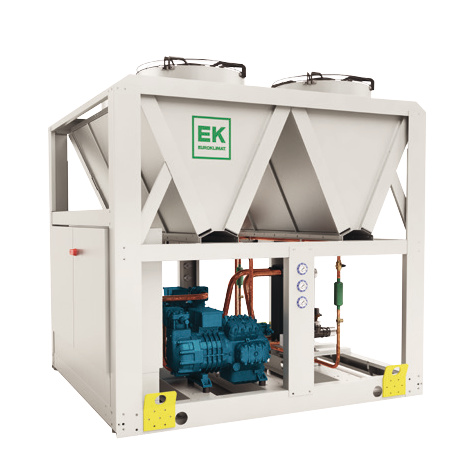

In today’s world, businesses and homeowners alike are seeking ways to improve energy efficiency while reducing operating costs. One technology gaining attention is the use of propane chillers. Unlike traditional electric or hydrofluorocarbon (HFC)-based systems, propane chillers offer a combination of environmental benefits, energy savings, and performance advantages that make them a compelling option for modern cooling applications.
Understanding Propane Chillers
Propane chillers use R-290, a hydrocarbon refrigerant, instead of conventional HFCs. Propane is naturally occurring, has low global warming potential (GWP), and is non-ozone depleting. These characteristics make it an environmentally responsible choice. In addition to being eco-friendly, propane is highly efficient in heat transfer, which directly contributes to energy savings.
The technology behind propane chillers is similar to traditional refrigeration cycles. They utilize compression, condensation, expansion, and evaporation to remove heat from a space or process. However, the thermodynamic properties of propane allow the system to achieve the same cooling capacity with less energy input.
Advantages of Using Propane Chillers
Energy Efficiency
One of the primary benefits of propane chillers is their energy efficiency. Propane has excellent heat absorption and release properties, which allows chillers to operate at higher coefficients of performance (COP) compared to conventional systems. Higher COP translates directly into lower electricity usage, reducing operational costs.
Additionally, propane chillers can maintain performance in varying temperature conditions. Whether it’s a hot summer day or a cooler winter environment, propane’s thermodynamic characteristics ensure consistent efficiency. Over the long term, this consistency leads to substantial energy savings, making propane chillers an attractive investment for businesses focused on sustainability.
Environmental Benefits
Global warming potential is a critical consideration in modern refrigeration. Traditional HFC refrigerants can have GWP thousands of times higher than carbon dioxide, contributing significantly to climate change. Propane, in contrast, has a GWP of less than 5 and does not harm the ozone layer.
Switching to propane chillers helps organizations meet increasingly strict environmental regulations. It also positions companies as leaders in sustainable practices, which can enhance brand reputation and appeal to eco-conscious consumers.
Reduced Operational Costs
While the initial cost of installing propane chillers can be higher than traditional systems, the reduction in energy consumption often offsets this investment over time. Lower electricity bills, combined with minimal refrigerant leakage risks and reduced maintenance requirements, make propane chillers cost-effective in the long term.
Moreover, propane is readily available and relatively inexpensive compared to some synthetic refrigerants. This availability further contributes to cost savings and ensures a reliable supply for continuous operation.
Applications of Propane Chillers
Propane chillers are versatile and can be used in a wide range of settings. Commercial buildings, industrial facilities, and even residential complexes can benefit from this technology. They are particularly effective in applications where energy costs are a significant concern or where environmental regulations are stringent.
In industrial settings, propane chillers are often used for process cooling, such as in food and beverage production, chemical processing, and pharmaceuticals. The high efficiency and stable performance of propane chillers make them ideal for processes that require precise temperature control.
For commercial and residential applications, propane chillers can be integrated into air conditioning systems. They provide reliable cooling while minimizing electricity usage, making them an excellent choice for businesses and homeowners aiming to reduce their carbon footprint without sacrificing comfort.
Safety Considerations
One important aspect of propane chillers is safety. Propane is flammable, so proper design, installation, and maintenance are essential. Modern systems are built with safety in mind, including leak detection, pressure relief devices, and proper ventilation.
Technicians working with propane chillers must be trained in handling hydrocarbon refrigerants to ensure safe operation. Regular inspections and adherence to local regulations further reduce risks, making propane chillers a safe and sustainable cooling solution when managed properly.
Comparing Propane Chillers to Conventional Systems
When evaluating propane chillers against traditional HFC-based chillers, several key differences stand out. First, energy efficiency is generally higher with propane, which reduces electricity bills over time. Second, the environmental impact of propane is significantly lower, helping businesses meet sustainability goals and regulatory requirements.
Maintenance requirements are also different. Propane systems often require fewer repairs related to refrigerant leaks since hydrocarbon refrigerants are used in smaller quantities and are less prone to degradation over time. However, the initial investment may be higher due to the need for specialized equipment and safety features.
Overall, the combination of lower operating costs, reduced environmental impact, and high efficiency makes propane chillers a forward-thinking choice for modern cooling needs.
Steps to Maximize Energy Savings
To fully realize the energy-saving potential of propane chillers, proper system design and operation are crucial. Selecting the right capacity for your specific cooling needs ensures the system runs efficiently without excessive cycling. Oversized or undersized chillers can compromise performance and increase energy consumption.
Regular maintenance is also important. Cleaning heat exchangers, checking refrigerant levels, and inspecting components can prevent energy loss and extend the life of the system. Incorporating smart controls, such as variable speed drives and programmable thermostats, can further optimize performance and reduce electricity usage.
Integrating propane chillers with other energy-efficient strategies, like insulation improvements or renewable energy sources, can amplify cost savings and environmental benefits. Businesses that adopt a holistic approach to energy management often see the most significant returns on investment.
Future Trends in Propane Chillers
As environmental regulations tighten and energy costs continue to rise, the adoption of propane chillers is expected to grow. Technological advancements, such as improved compressor efficiency, better heat exchanger designs, and advanced control systems, are enhancing the performance and reliability of these systems.
In addition, the push toward carbon neutrality is encouraging more organizations to adopt low-GWP refrigerants like propane. Governments and industry groups are increasingly offering incentives and rebates for systems that reduce greenhouse gas emissions, making propane chillers an even more attractive option for cost-conscious and environmentally aware users.
Conclusion
Propane chillers represent a significant step forward in sustainable cooling technology. Their energy efficiency, low environmental impact, and cost-effectiveness make them a strong choice for businesses and residential applications alike. While safety and proper installation are critical considerations, the benefits of propane chillers are compelling.
By investing in propane chillers and adopting energy-saving practices, organizations can reduce operational costs, minimize their environmental footprint, and future-proof their cooling systems against evolving regulations. In an era where energy efficiency and sustainability are paramount, propane chillers offer a practical and forward-thinking solution.
Switching to propane chillers is more than just an upgrade in cooling technology—it’s a commitment to energy savings, environmental responsibility, and long-term operational efficiency. As more industries recognize the advantages, propane chillers are poised to become a standard for modern, sustainable cooling solutions.propane chillers
