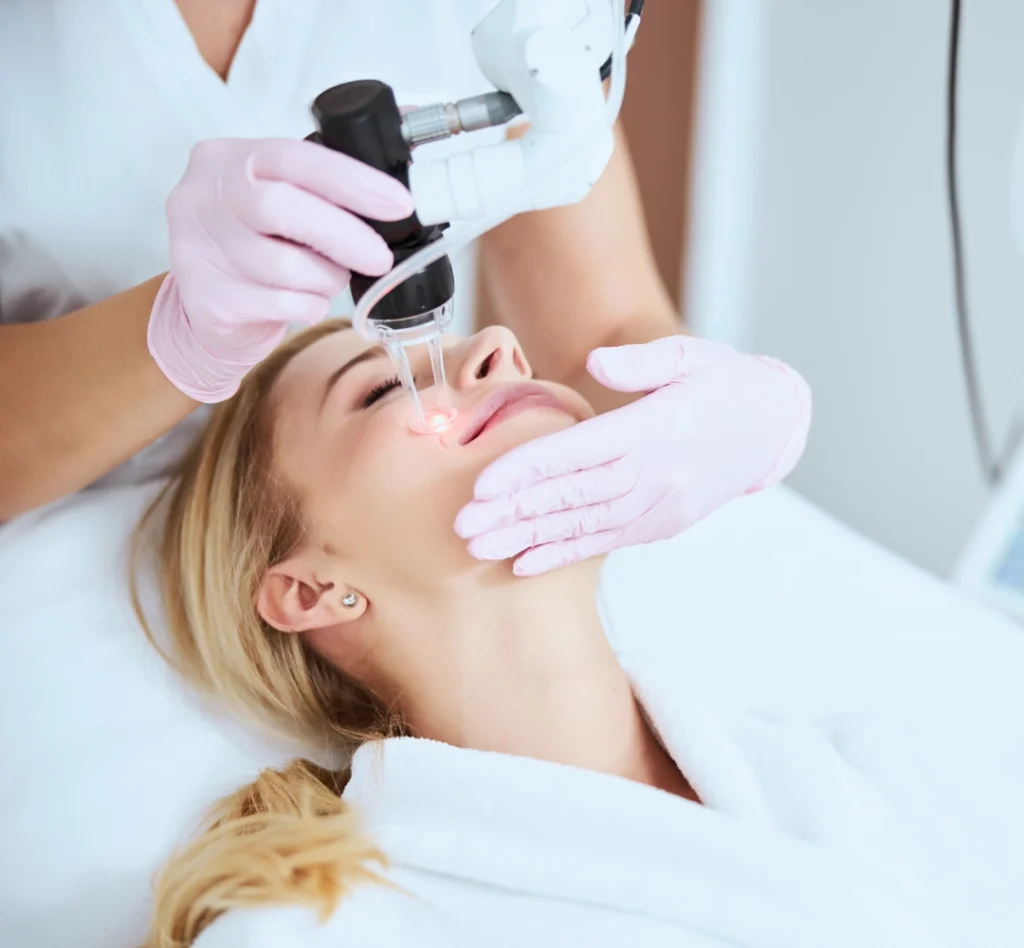

Laser Skin Resurfacing is a popular cosmetic treatment designed to improve the overall appearance and texture of the skin. Over time, factors such as sun exposure, aging, acne, scars, uneven pigmentation, and environmental stress can affect the skin’s natural smoothness and brightness. While skincare products can help maintain healthy skin, some concerns may require more advanced professional treatments. Laser Skin Resurfacing offers a way to address several visible skin imperfections by using controlled laser energy to encourage skin renewal and stimulate collagen production.
What Is Laser Skin Resurfacing?
Laser Skin Resurfacing is a cosmetic procedure that uses specialized laser technology to improve the surface and deeper layers of the skin. Depending on the type of laser used, the treatment may remove damaged outer skin cells, heat deeper tissue, or combine both approaches. The goal is to encourage the body’s natural healing response, resulting in fresher-looking and more even skin.
During treatment, a trained professional directs laser energy onto targeted areas of the skin. The laser works with carefully controlled intensity to address specific concerns. Some treatments are more aggressive and involve removing layers of damaged skin, while others use gentler energy to stimulate collagen without significantly removing the outer surface.
The most appropriate treatment depends on factors such as skin type, age, complexion, desired results, and the concerns being treated. A consultation with a qualified dermatologist or cosmetic professional is an important first step before deciding whether the procedure is suitable.
How Does the Treatment Work?
The basic principle behind Laser Skin Resurfacing is controlled skin renewal. When laser energy interacts with the skin, it can remove damaged cells or create controlled thermal effects in the deeper layers. This process encourages the skin to repair itself and produce new collagen and elastin.
Collagen is an essential structural protein that helps support firmness and elasticity. As people age, natural collagen production gradually decreases, contributing to fine lines, wrinkles, and changes in skin texture. By stimulating collagen production, laser treatments may help the skin appear smoother and firmer over time.
Some laser treatments focus primarily on the surface, while others penetrate deeper into the skin. Ablative laser resurfacing removes portions of the outer skin layer and may provide more dramatic results but generally requires more recovery time. Non-ablative treatments work beneath the surface without removing as much skin and often involve a shorter recovery period.
What Skin Concerns Can It Address?
One of the reasons Laser Skin Resurfacing is widely considered is its ability to target multiple cosmetic concerns. The treatment may be used to improve the appearance of fine lines and wrinkles, particularly around areas such as the mouth and eyes. It can also help reduce the visible effects of sun damage and uneven skin tone.
People with acne scars may also explore laser treatments as part of a broader skin-rejuvenation plan. Depending on the type and depth of scarring, laser energy may help soften irregular texture and make scars less noticeable.
Other concerns that may be addressed include enlarged pores, rough skin texture, age spots, and certain forms of pigmentation. However, results vary from person to person, and not every skin concern can be treated with the same laser technology.
The Benefits of Laser Skin Resurfacing
A major benefit of Laser Skin Resurfacing is its ability to improve several aspects of skin appearance through a targeted professional treatment. Many people choose it because they want their complexion to look smoother, brighter, and more refreshed.
The procedure may help reduce the appearance of fine lines while improving overall skin texture. It can also encourage collagen production, which may contribute to a firmer-looking complexion as the skin continues to heal.
Another advantage is that treatments can often be customized. A professional may adjust the type of laser, intensity, and treatment approach according to the individual’s needs. This personalized approach allows the procedure to focus on specific areas rather than treating the entire body.
For some individuals, improved skin texture and tone can also contribute to greater confidence. However, it is important to maintain realistic expectations. Laser treatments can improve the appearance of the skin, but they cannot stop the natural aging process or guarantee permanent results.
What Happens During a Treatment?
Before undergoing Laser Skin Resurfacing, a consultation is typically performed to assess the skin and discuss treatment goals. The professional may review medical history, current skincare products, medications, and previous cosmetic procedures.
During the procedure, the skin is cleansed, and a numbing cream or another form of anesthesia may be used depending on the treatment type. Protective measures are also taken to safeguard the eyes.
The laser device is then moved over the selected treatment area. Patients may experience sensations such as warmth, tingling, or a feeling similar to small pinpricks. The duration depends on the size of the treatment area and the technology being used.
After treatment, the skin may appear red, swollen, or sensitive. These effects can vary depending on the intensity of the procedure. A professional will provide specific aftercare instructions to support the healing process.
Recovery and Aftercare
Recovery is an important part of achieving the best possible outcome. Depending on the type of Laser Skin Resurfacing performed, the healing period can range from a few days to several weeks.
Patients may be advised to use gentle skincare products and avoid harsh ingredients while the skin recovers. Sun protection is especially important because newly treated skin can be more sensitive to ultraviolet exposure. Using a broad-spectrum sunscreen and limiting direct sun exposure can help protect the skin.
It is also important to avoid picking, scratching, or peeling the treated area. The skin needs time to heal naturally. Following professional aftercare instructions carefully can help reduce the risk of complications and support a smoother recovery.
Are There Any Risks?
Like any cosmetic procedure, Laser Skin Resurfacing has potential risks. Temporary redness, swelling, dryness, irritation, and sensitivity are relatively common after treatment. Depending on the procedure and individual skin characteristics, there may also be a risk of pigmentation changes, infection, scarring, or prolonged irritation.
People with certain skin types may require additional consideration because some laser treatments can increase the risk of unwanted pigmentation. This is why choosing an experienced and qualified professional is important.
A consultation should include a discussion of potential risks, expected results, recovery time, and alternative treatments. Individuals should also disclose relevant medical information and any medications or skincare products they use.
Is Laser Skin Resurfacing Right for You?
The ideal candidate depends on the specific treatment and individual circumstances. People who are concerned about wrinkles, uneven texture, sun damage, acne scars, or other visible imperfections may be potential candidates.
However, the treatment is not automatically suitable for everyone. Certain medical conditions, active skin infections, recent tanning, or specific medications may affect eligibility. A professional skin assessment can help determine the safest and most appropriate approach.
It is also important to understand that results are not always immediate. While some improvements may be visible relatively soon, collagen remodeling and skin renewal can continue for weeks or months. Multiple sessions may sometimes be recommended, particularly with gentler non-ablative treatments.
Maintaining Your Results
After Laser Skin Resurfacing, maintaining a consistent skincare routine can help support the appearance of the skin. Daily sun protection is one of the most important habits because ultraviolet exposure contributes significantly to premature skin aging and pigmentation.
A gentle cleanser, moisturizer, and professionally recommended active ingredients may also be incorporated into a skincare routine. Healthy lifestyle habits, including adequate hydration, balanced nutrition, sufficient sleep, and avoiding smoking, can further support overall skin health.
Ultimately, Laser Skin Resurfacing can be an effective option for people seeking to refresh the appearance of their complexion and address several signs of skin aging or damage. With the right technology, realistic expectations, professional guidance, and proper aftercare, the treatment may help reveal smoother, more even, and rejuvenated-looking skin.