
In recent years, social media has become a powerful driver of health and wellness trends. From intermittent fasting to detox teas, countless “quick fixes” have gone viral, promising effortless weight loss. Among these trends, one stood out for its simplicity and affordability: the so-called gelatin trick. The phrase gelatin trick for weight loss began circulating across platforms like TikTok, Instagram, and YouTube, where creators shared before-and-after stories and claimed that a simple gelatin-based drink could help control appetite and support fat loss.
What made this trend particularly viral was not just the claim itself but the accessibility of the ingredient. Gelatin is inexpensive, widely available, and already familiar in many households. Unlike complicated diets or expensive supplements, this hack felt achievable to almost everyone, which helped it spread rapidly across different online communities.
What Exactly Is the Gelatin Trick?
The gelatin trick refers to consuming dissolved gelatin—usually in warm water—often before meals or in the evening. Gelatin is a protein derived from collagen found in animal bones, skin, and connective tissues. When mixed with water and consumed, it forms a thick, filling substance in the stomach.
Supporters of the trend claim that this helps reduce appetite, leading to lower calorie intake throughout the day. Some versions of the method also include lemon juice, apple cider vinegar, or herbal teas to improve taste and add additional wellness associations.
At its core, the idea behind the gelatin trick for weight loss is simple: by increasing feelings of fullness, people may naturally eat less without feeling like they are restricting themselves.
Why Gelatin Became Associated with Weight Loss
The connection between gelatin and weight loss is largely based on its protein content. Protein is known to be more satiating than carbohydrates or fats, meaning it helps people feel full for longer periods. This can indirectly support weight management by reducing snacking and overeating.
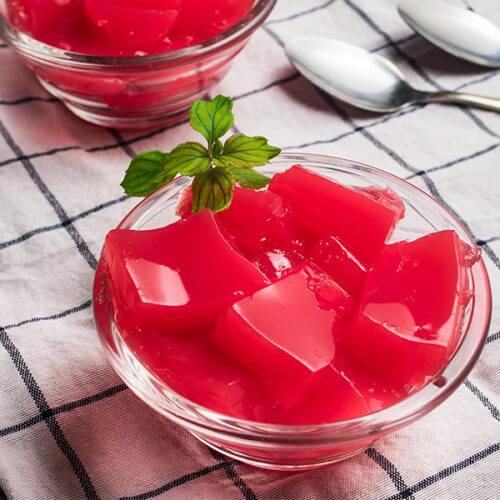
Gelatin also has a unique texture when dissolved and cooled, forming a gel-like consistency. This physical property is often highlighted in viral videos showing how it expands or thickens, reinforcing the idea that it “fills you up” inside the stomach.
Additionally, gelatin contains amino acids like glycine and proline, which are linked to skin, joint, and gut health. While these benefits are real in nutritional science, social media often exaggerates them, presenting gelatin as a near-miracle fat-burning solution rather than a supportive dietary component.
The Science Behind the Trend
From a scientific perspective, gelatin does have some properties that may support appetite control. As a protein source, it can increase satiety hormones and slow digestion. This means that people who consume gelatin before meals might naturally eat fewer calories.
However, it is important to separate fact from hype. Gelatin is not a fat-burning substance. It does not directly target stored fat or speed up metabolism in a significant way. Any weight loss associated with the gelatin trick for weight loss is more likely due to reduced calorie intake rather than any special metabolic effect.
Nutrition experts emphasize that sustainable weight loss still depends on a consistent calorie deficit, balanced nutrition, and long-term lifestyle habits rather than a single ingredient.
How TikTok and Influencers Fueled the Trend
The viral nature of the gelatin trick can be largely attributed to short-form video platforms. Influencers began posting simple recipes showing how they prepared gelatin drinks in seconds. These videos often included dramatic claims such as “I lost belly fat in a week” or “This stopped my cravings instantly.”
The visual appeal played a major role. Watching gelatin transform from powder to a thick substance created a sense of “science experiment meets health hack,” which made the content highly shareable.
As more creators replicated the trend, the algorithm pushed it to wider audiences. Soon, the gelatin trick for weight loss became a global search term, with millions of people curious to try it for themselves.
Potential Benefits of Gelatin in Diet
While the viral claims may be exaggerated, gelatin is not without benefits. It is a source of protein and contains amino acids that support connective tissue health. Some people also find it helpful for improving digestion and promoting a feeling of fullness.
When used responsibly, gelatin can be part of a balanced diet. For example, it may help individuals reduce unnecessary snacking between meals or serve as a low-calorie dessert alternative. In this sense, it can support healthier eating habits, even if it is not a standalone weight loss solution.
It is also worth noting that gelatin is generally safe for most people when consumed in normal food amounts. However, it should not replace complete sources of nutrition such as lean meats, legumes, vegetables, and whole grains.
Misconceptions and Risks of Overhyping the Trick
One of the biggest issues with viral health trends is oversimplification. The gelatin trick has sometimes been presented as a “fat-melting solution,” which is misleading. No single food or drink can target fat loss in specific areas of the body.
Another concern is dependency on trends instead of sustainable habits. People may try the gelatin trick for weight loss expecting quick results and become discouraged when they do not see dramatic changes. This can lead to frustration and repeated cycles of trying different viral diets.
There is also the risk of overconsumption. While gelatin is generally safe, excessive intake without dietary balance may lead to digestive discomfort or nutrient imbalance if it replaces more nutritious foods.
The Psychology Behind Viral Weight Loss Hacks
The popularity of the gelatin trend reveals something deeper about human behavior. People are often drawn to simple solutions for complex problems. Weight loss is influenced by many factors, including metabolism, lifestyle, genetics, sleep, and stress levels. However, simple hacks feel more approachable than long-term lifestyle changes.
Social proof also plays a major role. When people see others claiming success with the gelatin trick for weight loss, they are more likely to believe it works, even without strong scientific backing. This creates a cycle where trends gain momentum not because of evidence, but because of visibility.
Should You Try the Gelatin Trick?
For most people, using gelatin as part of a balanced diet is harmless and may even help with appetite control. However, it should be viewed as a supportive tool rather than a primary weight loss method.
If someone enjoys incorporating gelatin into meals or snacks, it can be a useful addition. But expecting dramatic fat loss results from it alone is unrealistic. Sustainable weight management still depends on consistent healthy eating, regular physical activity, and overall lifestyle habits.
Conclusion: A Trend That Reflects a Bigger Pattern
The rise of the gelatin trick shows how quickly health trends can spread in the digital age. While the gelatin trick for weight loss has some basis in nutrition science due to its protein content and satiety effects, it has been heavily amplified by social media narratives.
Ultimately, it serves as a reminder that while viral hacks can be interesting and sometimes helpful, they are not substitutes for evidence-based health practices. True weight management is not built on shortcuts but on consistent, informed choices over time.
