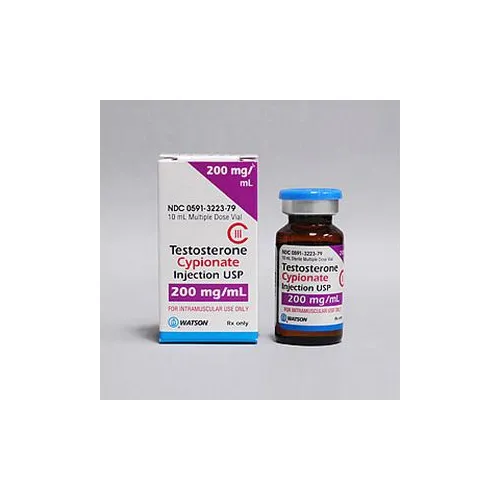

Testosterone replacement therapy is an important medical treatment for men who have clinically confirmed testosterone deficiency. Among the medicines used in testosterone replacement therapy, testosterone cypionate is a long-acting injectable form of testosterone. People searching for information about testosterone cypionate uk may encounter discussions about prescriptions, treatment schedules, monitoring, and expected results. Understanding these areas is important because testosterone therapy should be approached as a medically supervised treatment rather than simply a product to purchase and use independently.
What Is Testosterone Cypionate?
Testosterone cypionate is an injectable testosterone ester designed to release testosterone gradually after administration. Testosterone is a naturally occurring hormone involved in several important functions, including maintaining muscle mass, supporting bone health, influencing sexual function, and contributing to red blood cell production. When a person has consistently low testosterone together with relevant symptoms, a qualified healthcare professional may investigate whether testosterone replacement therapy is appropriate.
The decision to use testosterone is not normally based on symptoms alone. Healthcare professionals generally consider symptoms, medical history, physical examination findings, and laboratory testing. Other conditions can produce symptoms that resemble testosterone deficiency, so identifying the underlying cause is an important part of treatment planning.
Understanding Testosterone Prescriptions in the UK
Anyone researching testosterone cypionate uk should understand that testosterone medicines are prescription treatments and should be used under appropriate medical supervision. A clinician may first request blood tests to assess testosterone levels and may investigate possible reasons for low testosterone before recommending treatment.
The exact treatment approach depends on the individual’s circumstances. Healthcare professionals may consider different testosterone formulations, including injectable preparations, gels, or other medically approved options. The choice can depend on clinical needs, availability, patient preferences, previous treatment experience, and potential risks.
A legitimate prescription also provides an opportunity for the healthcare professional to explain administration, possible adverse effects, follow-up testing, and circumstances in which treatment should be adjusted or stopped. Buying testosterone from unverified online sellers can create additional risks because the contents, concentration, storage conditions, and authenticity of an unauthorized medicine may be uncertain.
Why Diagnosis Matters Before Treatment
Low testosterone is not diagnosed simply because someone experiences tiredness, reduced motivation, changes in body composition, or lower sexual interest. These symptoms can have numerous causes, including sleep problems, stress, certain medications, obesity, chronic illnesses, and psychological factors.
Laboratory testing can therefore play an important role. Testosterone levels can vary during the day, and clinicians may recommend appropriately timed measurements or repeat testing when necessary. A healthcare professional may also order additional investigations depending on the patient’s symptoms and medical history.
This diagnostic process helps distinguish genuine testosterone deficiency from temporary or unrelated changes. It also helps establish whether testosterone replacement is likely to provide meaningful benefits.
Monitoring During Testosterone Therapy
Monitoring is one of the most important parts of testosterone treatment. Patients receiving testosterone cypionate may require periodic medical reviews and laboratory testing to evaluate how they are responding.
Depending on individual circumstances, clinicians may monitor testosterone concentrations, full blood count or hematocrit, and other relevant health markers. Monitoring can help identify excessive increases in red blood cell production and determine whether testosterone exposure is appropriate.
Healthcare professionals may also discuss changes in symptoms, sexual health, mood, energy, body composition, and other treatment goals. Monitoring is not simply about checking whether testosterone levels have increased. The broader objective is to determine whether treatment is providing appropriate clinical benefits without creating unacceptable risks.
Setting Realistic Treatment Goals
Treatment goals should be individualized. Someone beginning testosterone therapy may hope for improvements in energy, sexual function, strength, or overall wellbeing, but results can vary considerably.
A useful treatment plan focuses on medically appropriate outcomes rather than achieving the highest possible testosterone concentration. More testosterone does not necessarily mean better results. Excessive exposure can increase the likelihood of adverse effects and may create unnecessary health risks.
Patients should discuss their expectations with their healthcare professional before starting treatment. Establishing realistic goals can make it easier to evaluate whether therapy is working and whether another explanation for persistent symptoms should be investigated.
Possible Benefits and Risks
When appropriately prescribed for confirmed testosterone deficiency, testosterone replacement may help improve certain symptoms and support physiological functions affected by inadequate testosterone levels. However, the treatment also has potential risks.
Possible concerns can include increased red blood cell production, acne, fluid retention, changes in fertility, worsening of certain hormone-sensitive conditions, and other adverse effects. Testosterone therapy can also suppress the body’s natural production of testosterone and sperm. For people who are planning to have children, fertility considerations should be discussed before treatment begins.
The safety of treatment depends on individual health circumstances. A healthcare professional can evaluate relevant risk factors and determine whether testosterone replacement is suitable.
Fertility and Testosterone Treatment
Fertility is an especially important consideration for men considering testosterone therapy. External testosterone can reduce the signals from the brain that stimulate natural testosterone and sperm production. As a result, sperm production may decrease during treatment.
Someone who wants to preserve or improve fertility should tell their healthcare provider before beginning testosterone replacement. Alternative approaches may sometimes be considered depending on the underlying diagnosis and reproductive goals.
Safe Use and Follow-Up
Patients should follow the instructions provided by their prescriber regarding the specific testosterone preparation they have been prescribed. Injectable medicines require appropriate administration, storage, and handling. Patients should not change the amount or frequency of administration without professional guidance.
Regular follow-up appointments allow clinicians to review symptoms, laboratory results, side effects, and treatment goals. If a person experiences concerning symptoms after starting therapy, they should contact their healthcare professional rather than attempting to correct the problem independently.
Choosing Reliable Information About Testosterone Cypionate UK
Searching for testosterone cypionate uk can produce a mixture of medical information, commercial advertisements, forums, and unverified claims. It is important to distinguish educational information from medical advice and promotional content.
Reliable information should explain both potential benefits and risks. It should also emphasize diagnosis, prescription requirements, monitoring, and professional supervision rather than presenting testosterone as a general-purpose solution for energy, athletic performance, or appearance.
People considering treatment should discuss their circumstances with a qualified healthcare professional who can assess whether testosterone deficiency has been properly established and whether replacement therapy is appropriate.
A Patient-Centered Approach to Testosterone Therapy
Effective testosterone treatment is ultimately about finding an appropriate balance between symptom improvement, physiological targets, safety, and individual goals. A prescription is only one part of that process. Diagnosis, selection of an appropriate formulation, regular monitoring, communication about side effects, and periodic reassessment are equally important.
For anyone researching testosterone cypionate uk, the key takeaway is that testosterone replacement should be treated as a medical therapy requiring appropriate assessment and ongoing supervision. Understanding prescriptions, monitoring requirements, fertility considerations, and realistic treatment goals can help patients have more informed conversations with their healthcare professionals and make safer decisions about their health.
