
Introduction
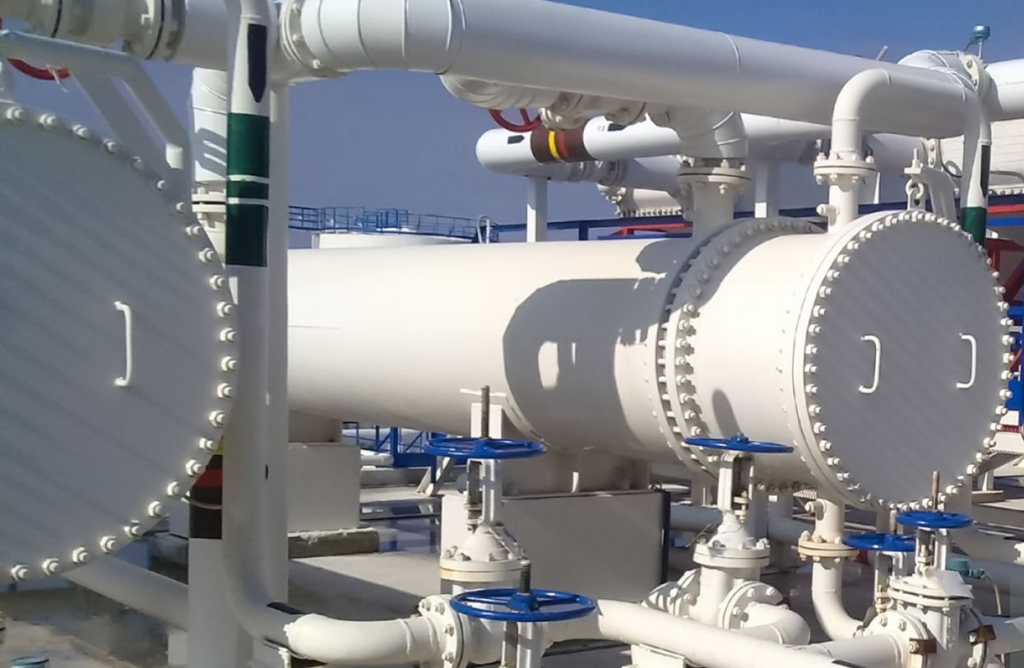
Pressure Vessel Design is one of the most critical disciplines in mechanical and industrial engineering. Pressure vessels are used across numerous industries, including oil and gas, petrochemicals, pharmaceuticals, food processing, power generation, and manufacturing. These vessels are designed to safely contain liquids, gases, or vapors at pressures significantly different from atmospheric conditions. Because failure can result in severe property damage, environmental hazards, and loss of life, engineers must follow strict engineering principles, regulatory codes, and quality standards throughout the design process.
A well-executed Pressure Vessel Design process balances structural integrity, operational efficiency, cost-effectiveness, and regulatory compliance. Every component, from the shell and heads to nozzles and supports, must be carefully engineered to withstand internal pressure, external loads, temperature fluctuations, and long-term operational stresses.
Understanding Pressure Vessel Design
Pressure vessels are closed containers specifically engineered to hold fluids under pressure. They are available in various shapes, including cylindrical, spherical, and rectangular configurations, although cylindrical vessels are the most common due to their superior stress distribution.
The primary objective of Pressure Vessel Design is to ensure that the vessel performs reliably throughout its service life while maintaining the highest safety standards. Engineers must account for multiple operating conditions, including startup, shutdown, pressure cycling, thermal expansion, corrosion, fatigue, and accidental loading scenarios.
Proper engineering begins with identifying the vessel’s intended application, operating pressure, design temperature, fluid characteristics, installation environment, and maintenance requirements.
Importance of Engineering Codes and Standards
One of the most important aspects of pressure vessel engineering is compliance with internationally recognized design codes. These standards establish minimum safety requirements and ensure consistency across industries.
The ASME Boiler and Pressure Vessel Code (BPVC), particularly Section VIII, is among the most widely used standards worldwide. It provides detailed requirements for:
- Material selection
- Design calculations
- Fabrication procedures
- Welding requirements
- Inspection methods
- Pressure testing
- Certification processes
Other regional standards may include EN 13445, PD 5500, AD 2000, and various national regulations depending on the project location.
Compliance with these standards minimizes engineering risks while helping organizations satisfy legal and operational requirements.
Material Selection
Material selection is a fundamental component of successful pressure vessel engineering.
The chosen material must withstand:
- Internal pressure
- Operating temperature
- Corrosive process fluids
- External environmental conditions
- Cyclic loading
- Fatigue stresses
Common materials include carbon steel, stainless steel, alloy steel, duplex stainless steel, nickel alloys, titanium, and specialized corrosion-resistant materials.
Engineers evaluate several factors before selecting materials:
- Yield strength
- Tensile strength
- Toughness
- Weldability
- Corrosion resistance
- Availability
- Cost
- Expected service life
Proper material selection significantly improves reliability while reducing maintenance expenses over the vessel’s operational lifespan.
Mechanical Design Considerations
Mechanical calculations form the foundation of every pressure vessel project.
Engineers calculate:
- Minimum shell thickness
- Head thickness
- Reinforcement around nozzles
- Flange dimensions
- Bolt loads
- Gasket seating requirements
- Support reactions
Different head configurations include:
Ellipsoidal Heads
These provide excellent pressure resistance while remaining relatively economical.
Hemispherical Heads
These distribute stress most efficiently but are generally more expensive to manufacture.
Torispherical Heads
These offer a practical balance between manufacturing cost and structural performance.
The final selection depends on project budget, pressure rating, manufacturing capabilities, and operational requirements.
Stress Analysis
Stress analysis is an essential part of modern pressure vessel engineering.
Pressure vessels experience multiple types of stresses simultaneously:
- Hoop stress
- Longitudinal stress
- Radial stress
- Thermal stress
- Wind loads
- Seismic loads
- Nozzle loads
- Support loads
Finite Element Analysis (FEA) is often used to evaluate stress concentrations in complex geometries.
Detailed stress analysis allows engineers to identify critical areas before fabrication, reducing the likelihood of failures during operation.
Corrosion Allowance
Corrosion is one of the leading causes of pressure vessel deterioration.
To compensate for expected material loss during operation, engineers include corrosion allowance in wall thickness calculations.
The required corrosion allowance depends on:
- Process fluid chemistry
- Operating temperature
- Expected corrosion rate
- Planned inspection intervals
- Desired service life
In highly corrosive environments, engineers may specify corrosion-resistant alloys or internal protective coatings instead of relying solely on additional wall thickness.
Welding Considerations
Welding quality directly affects vessel safety and reliability.
Every welded joint must meet strict quality standards to ensure structural integrity.
Important welding considerations include:
- Weld joint efficiency
- Welding procedures
- Welder qualifications
- Heat treatment
- Distortion control
- Residual stress management
Radiographic testing, ultrasonic testing, magnetic particle inspection, and dye penetrant testing are commonly used to verify weld quality.
Proper welding practices significantly reduce the possibility of crack initiation and premature failures.
Nozzle and Opening Design
Pressure vessels require multiple openings for process connections, instrumentation, maintenance, and inspection.
However, every opening weakens the vessel wall and creates localized stress concentrations.
Engineers perform reinforcement calculations to maintain structural integrity around:
- Inlet nozzles
- Outlet nozzles
- Manways
- Instrument connections
- Relief valve connections
Proper reinforcement pads and optimized nozzle geometry help distribute stresses more evenly throughout the vessel.
Support Structure Design
Pressure vessels require carefully engineered support systems capable of safely transferring loads to the foundation.
Common support types include:
Skirt Supports
Frequently used for tall vertical vessels.
Saddle Supports
Typically used for horizontal pressure vessels.
Leg Supports
Suitable for smaller vertical vessels.
Support design must account for:
- Dead weight
- Operating weight
- Hydrotest loads
- Wind forces
- Earthquake forces
- Thermal expansion
- Pipe reactions
An improperly designed support system can introduce excessive stresses even if the vessel itself is structurally adequate.
Safety Features
Safety remains the highest priority throughout the entire design process.
Modern pressure vessels incorporate numerous protective devices, including:
- Pressure relief valves
- Rupture disks
- Pressure transmitters
- Temperature monitoring systems
- Level indicators
- Emergency shutdown systems
These safety features prevent dangerous overpressure situations while ensuring safe plant operation.
Regular inspection and maintenance further enhance long-term reliability.
Manufacturing and Quality Control
Even an excellent engineering design can fail if manufacturing quality is poor.
Quality control includes:
- Material traceability
- Dimensional inspections
- Welding inspections
- Non-destructive examination
- Hydrostatic testing
- Pneumatic testing where applicable
- Final documentation review
Comprehensive quality assurance ensures every pressure vessel meets both engineering specifications and regulatory requirements before entering service.
Inspection and Maintenance
Pressure vessels require periodic inspections throughout their operational life.
Inspection activities commonly include:
- Visual examinations
- Ultrasonic thickness measurements
- Corrosion monitoring
- Crack detection
- Weld inspections
- Pressure testing
- Internal examinations during shutdowns
Predictive maintenance strategies help operators identify deterioration before serious failures occur, reducing downtime and extending equipment life.
Emerging Technologies in Pressure Vessel Engineering
Modern engineering continues to improve Pressure Vessel Design through advanced digital technologies.
Finite Element Analysis allows engineers to simulate complex loading conditions with remarkable accuracy. Computational Fluid Dynamics helps optimize internal flow characteristics while minimizing erosion and pressure losses. Three-dimensional CAD software improves fabrication accuracy and reduces design errors.
Digital twins, structural health monitoring systems, artificial intelligence, and predictive analytics are also transforming how engineers monitor pressure vessels throughout their service life. These innovations improve reliability, reduce maintenance costs, and support safer industrial operations.
Conclusion
Effective Pressure Vessel Design combines sound engineering principles, advanced analytical methods, quality manufacturing, and strict compliance with recognized industry codes. Every stage of the design process—from material selection and stress analysis to welding, inspection, corrosion protection, and safety systems—plays a vital role in ensuring dependable long-term performance.
As industrial facilities continue to operate under increasingly demanding conditions, the importance of robust Pressure Vessel Design continues to grow. Organizations that invest in high-quality engineering, rigorous quality assurance, and ongoing inspection programs benefit from improved operational efficiency, regulatory compliance, reduced maintenance costs, and enhanced workplace safety. By following established engineering principles and embracing modern technologies, pressure vessels can deliver reliable performance throughout decades of service.
