
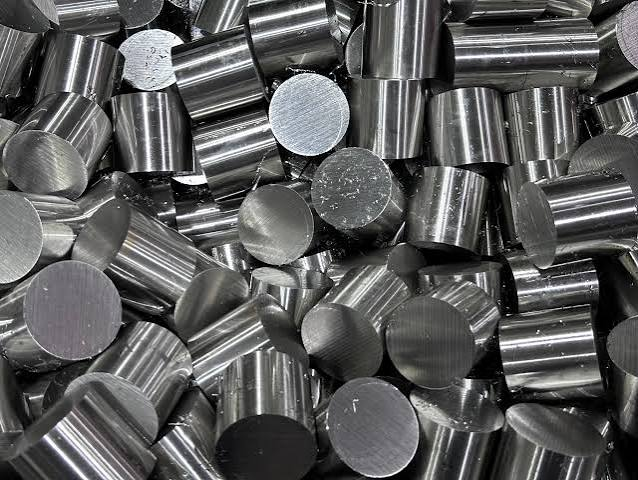
Introduction to 304 Stainless Steel
304 stainless steel is one of the most widely used stainless steel grades in the world. Known for its corrosion resistance, durability, strength, and versatility, it is used in many industries, including construction, food processing, automotive manufacturing, healthcare, and household Ss Steel Rod appliances. Its combination of performance and affordability makes it a popular material for manufacturers, engineers, contractors, and product designers.
Whether used to manufacture kitchen equipment, industrial tanks, metal pipes, or architectural components, 304 stainless steel offers reliable performance in a wide range of environments. Understanding its composition, properties, advantages, and applications can help businesses and individuals select the right material for their specific requirements.
What Is 304 Stainless Steel?
304 stainless steel is an austenitic stainless steel alloy primarily composed of iron, chromium, and nickel. It typically contains approximately 18% chromium and 8% nickel, which is why it is sometimes called 18/8 stainless steel. These alloying elements contribute to its corrosion resistance, strength, and ability to maintain a clean, attractive appearance.
Chromium forms a thin, protective oxide layer on the surface of the steel. This layer helps prevent rust and corrosion under many normal operating conditions. If the surface becomes scratched, the protective layer can generally reform when sufficient oxygen is available.
The nickel content helps stabilize the austenitic structure, improving toughness, formability, and performance across a range of temperatures. These characteristics make 304 stainless steel suitable for applications that require durability and ease of fabrication.
Key Properties of 304 Stainless Steel
Several important properties make 304 stainless steel a preferred choice across different industries.
Excellent Corrosion Resistance
One of the main advantages of 304 stainless steel is its resistance to corrosion. It performs well in many indoor and outdoor environments, particularly when exposed to moisture, air, and common household substances.
However, it is not completely corrosion-proof. Prolonged exposure to chlorides, seawater, or certain industrial chemicals can cause pitting or other forms of corrosion. The operating environment should therefore be considered before selecting this material.
Strength and Durability
304 stainless steel provides a useful combination of strength and toughness. It can withstand everyday wear, moderate mechanical stress, and demanding manufacturing conditions.
Its durability makes it suitable for equipment and components expected to operate reliably over extended periods. Proper design, installation, and maintenance can further improve its service life.
Good Formability
Another important feature is its excellent formability. Manufacturers can bend, shape, roll, stamp, and draw 304 stainless steel into different designs without sacrificing its useful properties when appropriate processes are used.
This flexibility supports the production of complex components, thin sheets, containers, decorative panels, and precision-engineered products.
Heat Resistance
304 stainless steel offers useful oxidation resistance at elevated temperatures, making it suitable for many applications involving heat. Its performance depends on temperature, exposure duration, mechanical loading, and environmental conditions.
For applications involving sustained high temperatures or specialized thermal requirements, engineers should verify whether another stainless steel grade would be more appropriate.
Common Applications of 304 Stainless Steel
The versatility of 304 stainless steel allows it to serve a broad range of commercial and industrial purposes.
Food Processing and Kitchen Equipment
304 stainless steel is widely used in food preparation and processing environments because it is durable, easy to clean, and resistant to many common food-related substances.
Typical applications include commercial kitchen countertops, food preparation tables, storage containers, sinks, cookware, beverage equipment, and processing machinery.
Its smooth surface can support hygienic cleaning practices. Nevertheless, proper cleaning procedures and suitable surface finishes remain important for maintaining sanitation.
Construction and Architecture
In the construction industry, 304 stainless steel is used for handrails, wall panels, decorative trim, door hardware, fittings, and selected structural components.
Its attractive finish makes it popular for modern architectural designs. It can complement glass, concrete, wood, and other construction materials while offering dependable performance in suitable environments.
For coastal buildings or locations exposed to heavy salt spray, a more chloride-resistant grade may be necessary.
Industrial Equipment and Manufacturing
Manufacturers use 304 stainless steel to produce tanks, pipes, valves, machine components, enclosures, and storage systems. Its combination of corrosion resistance and fabrication flexibility supports a wide range of industrial processes.
It is particularly useful when equipment must remain durable while coming into contact with water, mild chemicals, or process materials that are compatible with the alloy.
Medical and Laboratory Equipment
Selected medical and laboratory products use 304 stainless steel because it can be cleaned effectively and manufactured into durable equipment.
Examples include laboratory benches, storage cabinets, instrument trays, and certain non-implantable medical devices. The specific grade and finish must be selected according to the required cleaning, disinfection, and regulatory standards.
Advantages of Using 304 Stainless Steel
Choosing 304 stainless steel provides several benefits for businesses and manufacturers.
Long service life: Its corrosion resistance and durability can reduce the need for frequent replacement when the material is used in suitable conditions.
Low maintenance requirements: Many products made from 304 stainless steel require only routine cleaning and inspection to maintain their appearance and functionality.
Versatile fabrication: The material can be formed, machined, and welded using suitable techniques, supporting different manufacturing requirements.
Attractive appearance: It is available in various finishes, including brushed, polished, and matte surfaces, making it suitable for functional and decorative applications.
Recyclability: Stainless steel is recyclable, and recovered material can be used in the production of new steel products. This supports material recovery and more efficient resource use.
Broad availability: Because 304 stainless steel is widely produced, it is available in many forms, including sheets, plates, bars, tubes, pipes, and coils.
304 Stainless Steel vs. Other Stainless Steel Grades
Understanding the differences between stainless steel grades is essential when choosing materials for a particular application.
304 vs. 316 Stainless Steel
Both 304 and 316 are austenitic stainless steels with good corrosion resistance. However, 316 contains molybdenum, which generally improves its resistance to chloride-related corrosion.
Grade 304 is often suitable for kitchens, indoor equipment, general manufacturing, and many architectural applications. Grade 316 is frequently preferred for marine environments, coastal installations, and chemical processing applications where greater chloride resistance is required.
The correct choice depends on exposure conditions, maintenance requirements, and total project cost.
304 vs. 430 Stainless Steel
Grade 430 is a ferritic stainless steel that typically contains chromium but little or no nickel. It can be a cost-effective option for decorative components, household appliances, and certain indoor applications.
Grade 304 generally offers better overall corrosion resistance and different forming characteristics, although the best choice depends on the intended use. Price, magnetic properties, fabrication requirements, and environmental exposure should all be considered.
Fabrication and Welding of 304 Stainless Steel
304 stainless steel is suitable for several common manufacturing processes. It can be cut, bent, rolled, stamped, and machined with appropriate tools and procedures.
It is also readily weldable using suitable methods, such as gas tungsten arc welding or gas metal arc welding. Proper welding procedures help control distortion, preserve corrosion resistance, and achieve strong joints.
Because stainless steel can work-harden during forming and machining, manufacturers should select appropriate tooling, cutting conditions, and equipment. After fabrication, removing surface contamination and using suitable cleaning or finishing methods can help maintain corrosion resistance.
Maintenance Tips for 304 Stainless Steel
Although 304 stainless steel requires relatively little maintenance, proper care helps preserve its appearance and performance.
Clean surfaces regularly with mild detergent and warm water. Use a soft cloth or non-abrasive sponge to avoid unnecessary scratches. Rinse thoroughly and dry the surface when water spots are a concern.
Avoid leaving salt deposits, aggressive chemicals, or contaminated metal particles on the surface for extended periods. Chloride-containing cleaners, including some bleach products, may cause corrosion and should not be used unless specifically approved for the application.
For industrial equipment, inspections should follow the operating environment and relevant maintenance standards. Promptly addressing contamination and surface damage can help extend the product’s useful life.
How to Choose the Right 304 Stainless Steel Product
Before purchasing 304 stainless steel, consider the intended application, required dimensions, thickness, surface finish, fabrication process, and environmental conditions.
Buyers should also confirm the material grade through reliable supplier documentation. Material test certificates and appropriate product specifications can help verify that the supplied steel meets the required standards.
For critical applications, consult a qualified materials engineer or supplier to determine whether 304 stainless steel provides adequate corrosion resistance, strength, and temperature performance.
Comparing quality, availability, fabrication costs, and expected service life can help businesses make a more informed purchasing decision.
Conclusion
304 stainless steel remains a popular material because it combines corrosion resistance, durability, formability, and an attractive appearance. Its widespread use in kitchens, construction, manufacturing, laboratories, and commercial equipment demonstrates its versatility across many industries.
Although it performs well in numerous environments, it is important to recognize its limitations, particularly in applications involving seawater, high chloride concentrations, or aggressive chemicals. Comparing 304 with alternatives such as 316 and 430 helps ensure the selected material meets the project’s needs.
With proper material selection, fabrication, and maintenance, 304 stainless steel can provide dependable performance and long-term value for a wide variety of products and industrial applications.
