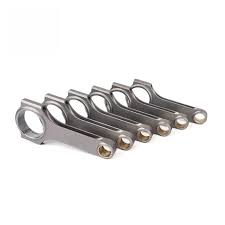

Custom tuning parts have become increasingly popular among automotive enthusiasts who want to improve their vehicles’ appearance, performance, comfort, and driving experience. Rather than keeping a car in its original factory configuration, owners can personalize different components to reflect their preferences and driving needs. From upgraded suspension systems and performance exhausts to stylish body modifications and interior enhancements, the possibilities for customization are extensive.
Whether someone wants a sportier appearance, improved handling, or a more comfortable daily driving experience, carefully selected tuning components can make a noticeable difference. Understanding the available options, their benefits, and the importance of compatibility helps drivers make informed decisions when planning vehicle upgrades.
Understanding Custom Tuning Parts
Custom tuning parts are aftermarket components designed to modify or enhance specific aspects of a vehicle. These parts may focus on engine performance, suspension, braking, exterior styling, interior comfort, or exhaust efficiency. Some upgrades are primarily aesthetic, while others are intended to improve mechanical performance or driving characteristics.
The right modifications depend on the vehicle model, the owner’s budget, and the intended purpose of the car. For example, someone who drives primarily in urban areas may prioritize comfort, reliability, and fuel efficiency. Meanwhile, an automotive enthusiast who enjoys spirited driving may be more interested in suspension improvements, responsive braking, and engine performance.
Customization does not necessarily require extensive modifications. Replacing a few carefully selected components can create a distinctive appearance or improve everyday usability without changing the vehicle’s entire configuration.
Improving Vehicle Performance with Engine Upgrades
Engine-related tuning parts are among the most recognizable modifications in the automotive industry. These components are designed to improve engine responsiveness, optimize airflow, or support specific performance goals.
Performance Air Intake Systems
An upgraded air intake system can change how air enters the engine. Depending on the design and vehicle, it may improve airflow characteristics and produce a different engine sound. However, performance gains vary considerably, and not every aftermarket intake delivers a meaningful improvement over the factory system.
Drivers should select an intake designed for their particular engine and installation requirements. Proper filtration and protection from excessive engine-bay heat are important considerations because unsuitable components can reduce efficiency or allow contaminants to enter the engine.
Engine Management and ECU Tuning
Electronic control unit tuning modifies selected engine operating parameters, such as ignition timing, fuel delivery, and boost pressure in compatible turbocharged vehicles. A suitable calibration may improve throttle response and power output.
Nevertheless, engine tuning should be approached carefully. Poorly developed software can increase mechanical stress, affect reliability, and create emissions compliance problems. Professional calibration, suitable fuel, and regular maintenance help reduce unnecessary risks.
Enhancing Handling with Suspension Components
Suspension upgrades can influence how a vehicle responds to corners, uneven roads, and changes in direction. They are particularly relevant to drivers seeking a more controlled and engaging driving experience.
Sport Springs and Coilovers
Lowering springs reduce ride height and can create a sportier stance. Coilover systems offer adjustable features on many applications, allowing owners to modify ride height and, depending on the design, damping characteristics.
However, lowering a car excessively may reduce ground clearance, compromise comfort, and increase the likelihood of underbody damage. Suspension changes can also affect wheel alignment and tire wear.
Selecting components that suit local road conditions is essential. A balanced setup often provides better everyday usability than a modification chosen solely for its appearance.
Upgraded Bushings and Anti-Roll Bars
Suspension bushings help isolate vibrations while allowing controlled movement between components. Certain upgraded bushings can make steering responses more precise, although some designs transmit additional noise and vibration into the cabin.
Anti-roll bars help control body roll during cornering. When properly matched with the rest of the suspension, they can contribute to more predictable handling. Professional installation and alignment are important to ensure that these changes work as intended.
Custom Exhaust Systems for Sound and Efficiency
An aftermarket exhaust system can change a vehicle’s sound, appearance, and exhaust flow characteristics. Options range from replacement mufflers to complete systems designed for specific engine configurations.
Some exhaust upgrades are intended to reduce restrictions, while others primarily provide a deeper or sportier sound. Actual performance improvements depend on the engine, exhaust design, and other modifications.
Drivers should consider sound levels before purchasing an exhaust system. An excessively loud setup can make everyday journeys uncomfortable and may violate local noise regulations. The installation must also preserve appropriate emissions equipment and comply with applicable road-use requirements.
A well-selected exhaust system balances sound, durability, fitment, and practical performance rather than focusing on volume alone.
Personalizing Exterior Styling
Exterior customization allows owners to create a distinctive look without necessarily changing the vehicle’s mechanical systems. Popular options include bodykits, front splitters, rear diffusers, spoilers, grille replacements, and side skirts.
Bodykits and Aerodynamic Components
Bodykits can change the overall shape and visual character of a vehicle. Some are designed to create a more aggressive appearance, while others aim to improve aerodynamic performance.
Not every decorative spoiler or splitter produces a measurable aerodynamic benefit. The effectiveness of these components depends on their design, dimensions, placement, and the vehicle’s speed. Poorly fitted parts may also create unwanted drag or stability concerns.
Before purchasing body components, owners should confirm compatibility with their specific model and inspect the quality of the materials. Secure mounting and appropriate ground clearance are essential for long-term use.
Wheels and Tires
Custom wheels are another popular way to personalize a vehicle. Different finishes, spoke patterns, and sizes can dramatically change its appearance.
However, wheel selection involves more than style. Wheel diameter, width, offset, load rating, and bolt pattern must match the vehicle’s requirements. Tire dimensions should also remain appropriate for the intended wheel and vehicle setup.
Incorrect fitment can cause rubbing, steering problems, or unnecessary stress on suspension components. Choosing suitable wheels and tires helps preserve handling, braking, and ride quality.
Upgrading Braking Systems for Better Control
Braking components deserve particular attention whenever a vehicle receives performance modifications. Increased power or additional vehicle weight may change braking demands, making it important to evaluate the complete system rather than focusing on engine output alone.
Depending on the application, available upgrades include performance brake pads, improved brake fluid, replacement rotors, and larger brake kits.
Different brake pads are designed for different operating conditions. Some prioritize quiet operation and low dust for everyday driving, while others are intended to maintain performance under higher temperatures.
Larger brake kits may be useful for specific performance applications, but they must be compatible with the wheels, suspension, and vehicle braking system. Proper installation and maintenance are essential because braking performance directly affects road safety.
Interior Modifications for Comfort and Convenience
Custom tuning is not limited to exterior appearance or mechanical performance. Interior upgrades can improve the driving environment and make a vehicle feel more personal.
Popular choices include custom floor mats, improved seat upholstery, steering wheel covers, upgraded lighting, replacement trim pieces, and compatible infotainment systems.
Modern infotainment upgrades may provide smartphone connectivity, navigation, hands-free communication, and improved audio quality. Drivers should ensure that installed equipment does not obstruct visibility or interfere with essential vehicle controls.
Seat modifications require particular care. Components must preserve proper seating positions, seatbelt function, and compatibility with airbags and other safety systems. Decorative changes should never compromise essential safety features.
Choosing the Right Custom Tuning Parts
Selecting suitable components requires research and a clear understanding of the desired outcome. A structured approach can help owners avoid unnecessary expenses and incompatible purchases.
First, identify the main objective. Is the priority improved handling, a more distinctive appearance, better comfort, or increased engine performance? Defining the goal makes it easier to compare relevant products.
Next, verify vehicle compatibility. Model year, engine type, trim level, and existing modifications may affect which parts can be installed. Manufacturer specifications and reputable automotive specialists can help confirm fitment.
Material quality is another important factor. Components made from suitable materials and manufactured to consistent standards are more likely to provide reliable service. Reading detailed product specifications and independent reviews can reveal potential advantages and limitations.
Finally, calculate the complete cost. The purchase price may not include installation, alignment, calibration, replacement hardware, or future maintenance. Planning for these expenses makes a customization project easier to manage.
The Importance of Professional Installation and Maintenance
Some cosmetic accessories can be installed by experienced vehicle owners, but mechanical modifications often require specialist knowledge and tools. Incorrect installation may damage components, affect vehicle handling, or create safety concerns.
Professional technicians can inspect compatibility, install parts correctly, and identify issues that might otherwise be overlooked. After suspension changes, for example, a wheel alignment may be necessary. Engine modifications may require additional monitoring or calibration.
Regular maintenance remains equally important. Owners should inspect modified components for looseness, wear, leaks, unusual noises, and other warning signs. Keeping installation records and following maintenance recommendations can also support long-term reliability.
Drivers should check local requirements concerning vehicle inspections, emissions, lighting, noise, and roadworthiness before making substantial modifications.
Balancing Personal Style, Budget, and Reliability
A successful customization project combines creativity with practical planning. Spending more does not automatically guarantee better results, and installing numerous modifications at once can make it difficult to identify problems or evaluate individual improvements.
A phased approach is often more effective. Owners can begin with straightforward changes, assess their results, and then decide whether additional upgrades are worthwhile.
For a daily-driven vehicle, reliability, comfort, and manageable maintenance costs should remain important considerations. For a vehicle intended for track use, the priorities may differ, but safety, component compatibility, and professional preparation are still essential.
It is also wise to consider how modifications affect insurance coverage, warranty conditions, resale value, and future servicing. Keeping original parts when practical may provide additional flexibility if the vehicle needs to be returned to its factory configuration.
Conclusion
Custom tuning parts provide numerous opportunities to transform a vehicle according to individual preferences. From engine upgrades and suspension improvements to distinctive bodykits, wheel designs, exhaust systems, and interior accessories, each category offers different ways to personalize the driving experience.
The most effective modifications are those selected with a clear purpose and supported by careful research. Compatibility, material quality, professional installation, and regular maintenance all contribute to better results.
By balancing appearance, performance, comfort, and safety, vehicle owners can create a customized car that reflects their personality while remaining practical for its intended use. Thoughtful planning ensures that every upgrade contributes to a cohesive design and a more satisfying ownership experience.
